A Year in Conservation:
An Interview with Aurovilian Induja Gandhiprasad
at the University of Wisconsin–Madison
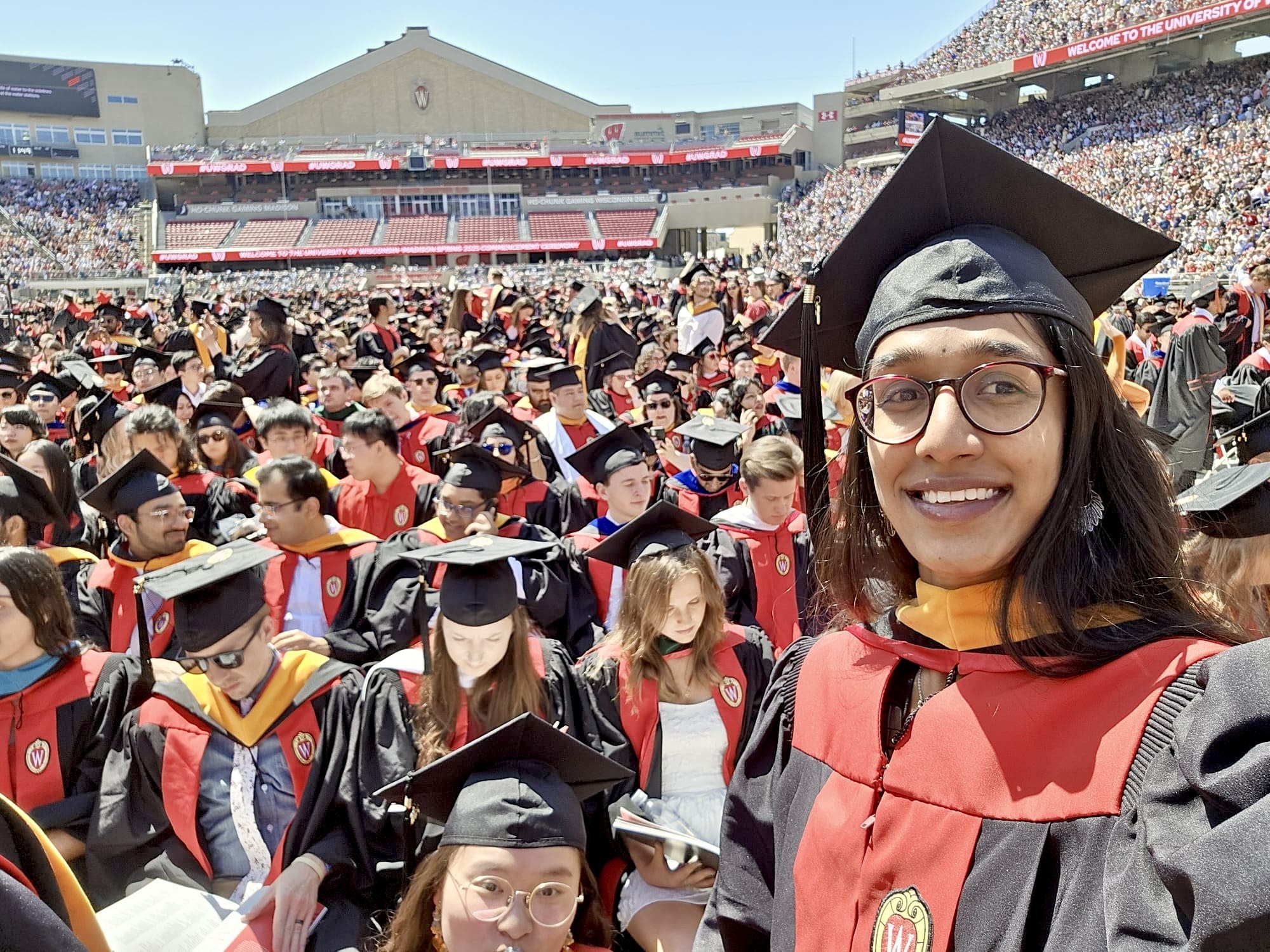
Induja Gandhiprasad, a young Aurovilian, was accepted into the accelerated Environmental Conservation Program at the University of Wisconsin–Madison with a full academic scholarship, beginning her studies in August 2024.
Now, at the end of the program, we reconnected with Induja to learn how this past year has been, from the academic challenges and discoveries to adjusting to life in a new culture and climate.
Hi Induja, so glad to connect with you in the United States. I am curious to hear about this past year while studying at the University of Wisconsin–Madison for your Master’s program in Ecological Conservation. What was your first impression of the University and the study program? During the initial period, was it what you expected, or was there a lot of adjusting to do as far as your expectations? Tell us about this.
The very first day when I entered the 137-year-old Science Hall, where the Nelson Institute for Environmental Studies is located at the University of Wisconsin–Madison, I felt it was very special to be present in the same space where founders of foundational environmental movements left their legacies. I felt truly welcomed in a diverse cohort of learners with curious minds, as they brought different experiences and perspectives. It was an incredible learning experience, a great exchange of knowledge, and wonderful guidance provided by the co-learners as well as the faculty. From day one till the end, all we all felt that we could have spent some more time together on this wonderful learning journey. Throughout this experience what was asked of me and what it taught me was simply to be myself. It gave me so many opportunities to learn to work with my classmates as a team. It was a personal and professional experience that pushed me to grow in way I had not anticipated.
How did you find your classmates? Any similarity in trajectories? Were you one of several international students or were you the only one? And had anyone been to India and had a particular interest in India?
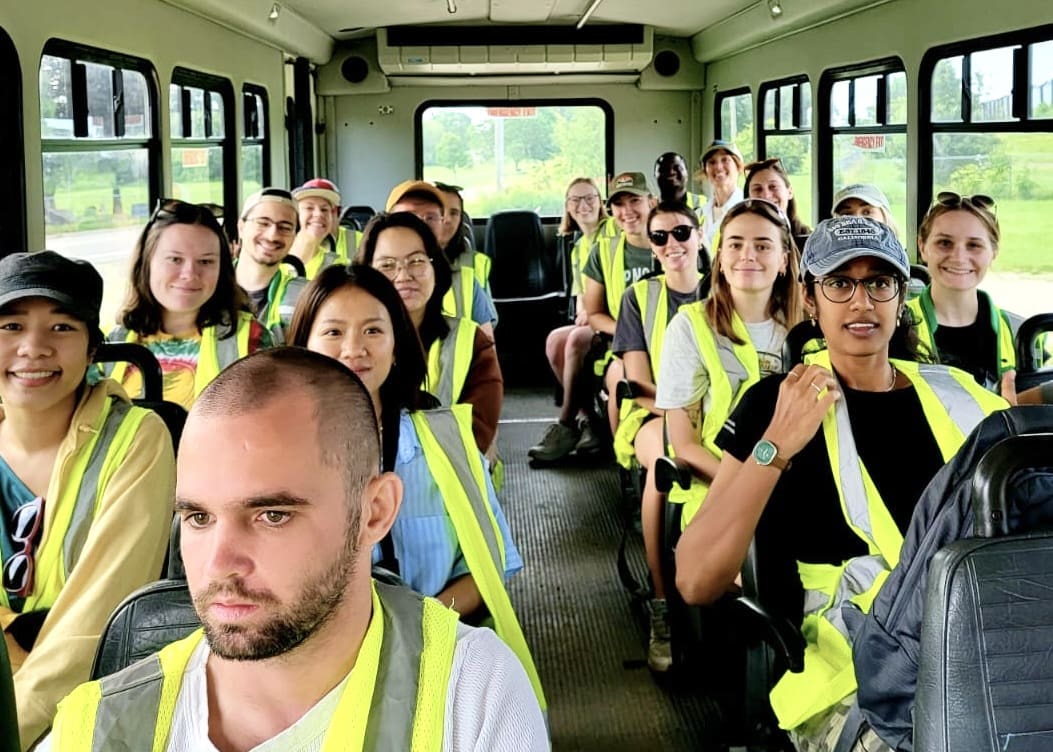
As mentioned earlier, my classmates were extremely friendly as well as professional, deeply committed to their work. We co-created a space for learning without judgments and biases. We all shared an underlying curiosity about what each individual brought to the table and absorbed, shared, strengthened, and challenged each other’s ideas and perspectives in constructive and meaningful ways. I was one of eight international students, and the only one from India. I gained close friends from all over of the world, and the U.S., and was surprised and the range of knowledge about India. None of them had traveled to India but they were all interested in the cultural diversity, rich natural heritage, and the local narratives in environmental conservation from the diverse regions throughout the country.
How did you find American culture in general? Did you find yourself in any unusual situations during the year, due to cultural differences?
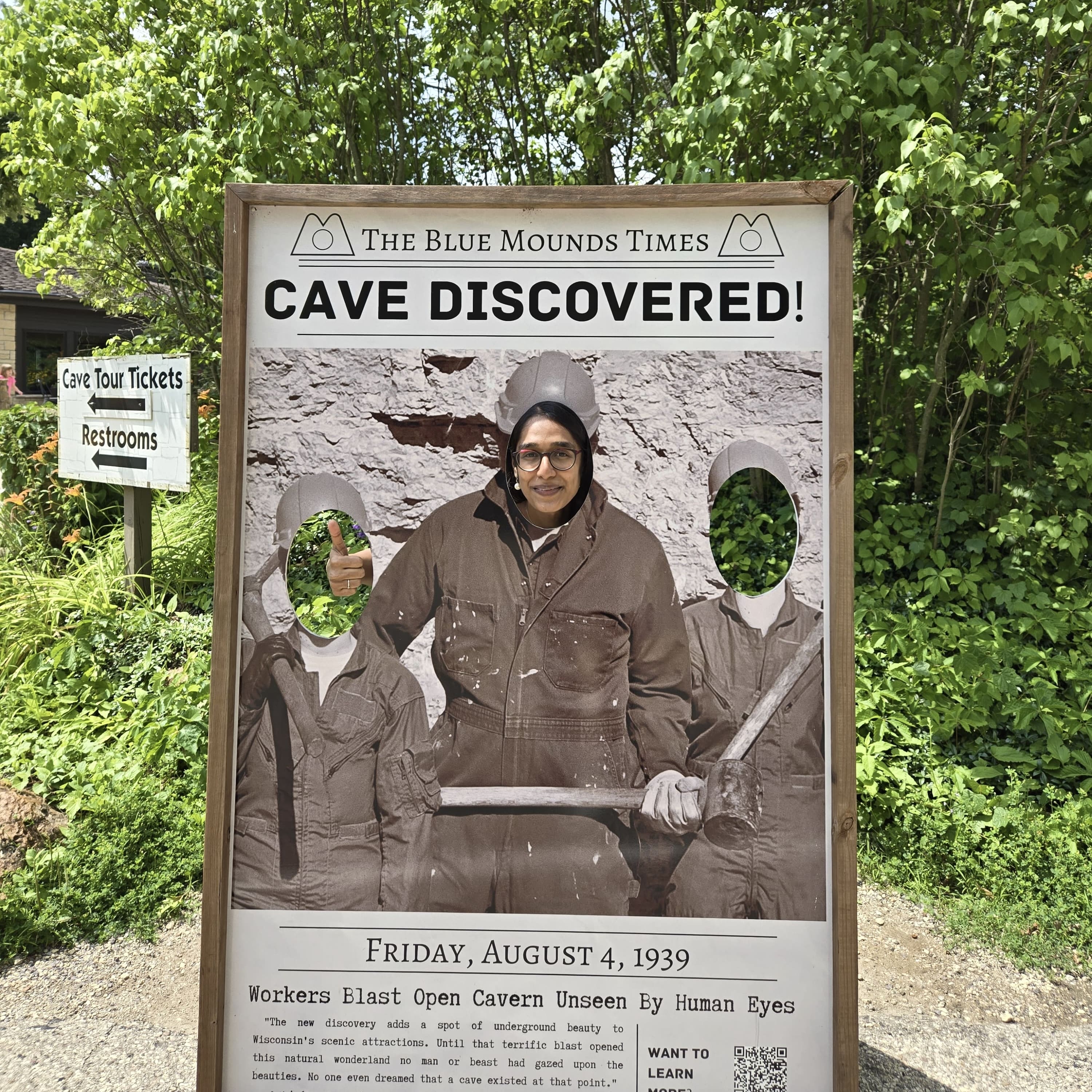
I found Madison, and especially the campus downtown area, to be a lively place that gave me a number of opportunities to explore and pursue my interests. I lived in an international co-op which helped me bridge the cultural differences through every day communications with my flatmates. I have definitely felt that some social activities were not for me, but I also felt accepted and not judged for my preferences. I had a strong sense that the environment embraced and welcomed my personal and cultural identity.I did not always understand and still sometimes struggle with some of the sarcastic or informal phrases used in our many conversations, but my friends were attentive and patiently took the time to explain them to me.The fall semester, my first weeks on campus, were initially a shock to me.Seeing the actual number of people that go to the university and how lively campus could become was very different than my previous experiences in India. Having friends who respected my choices saved me from being in awkward situations, as I become more familiar with US university life.
How did you find the workload compared to your academic experience in India?
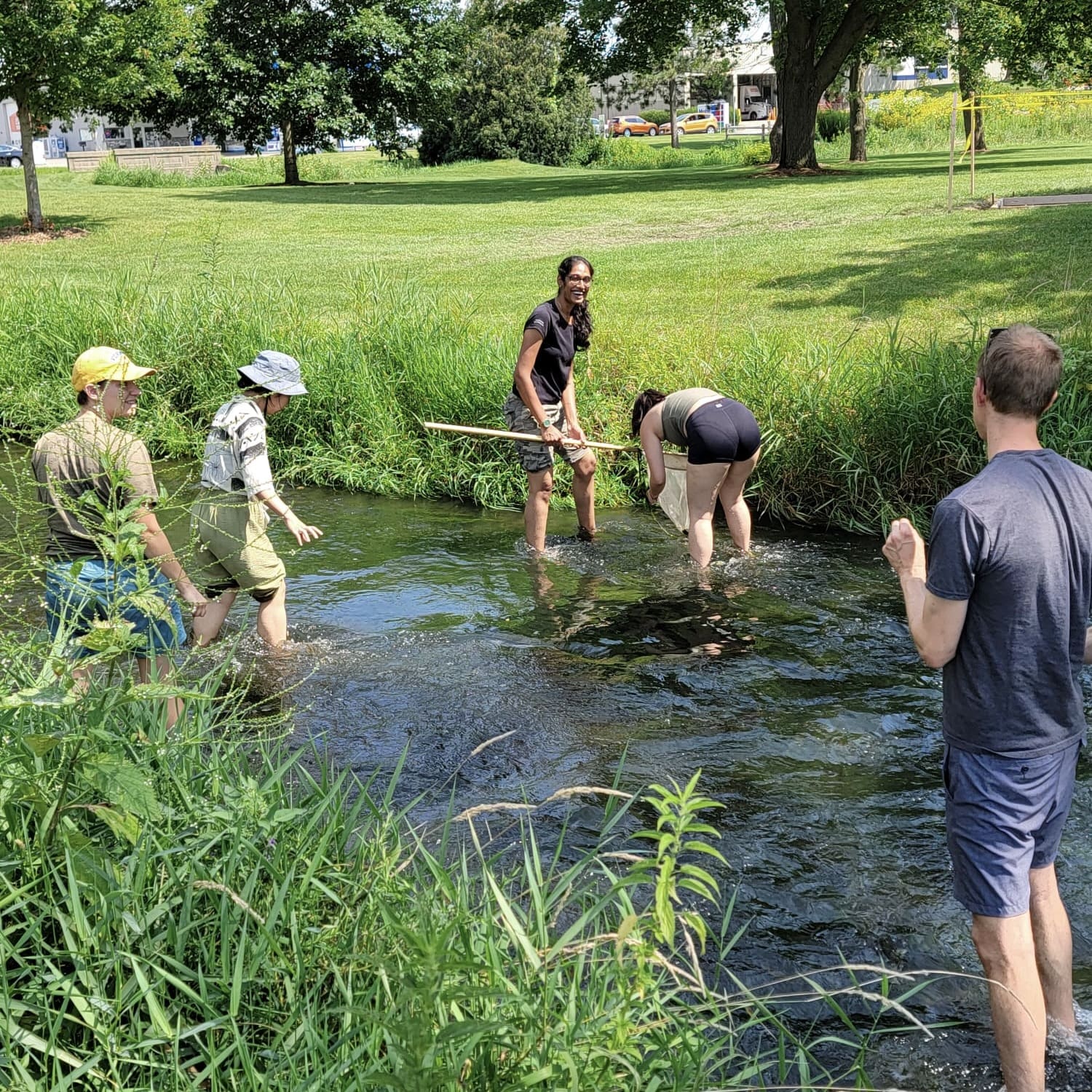
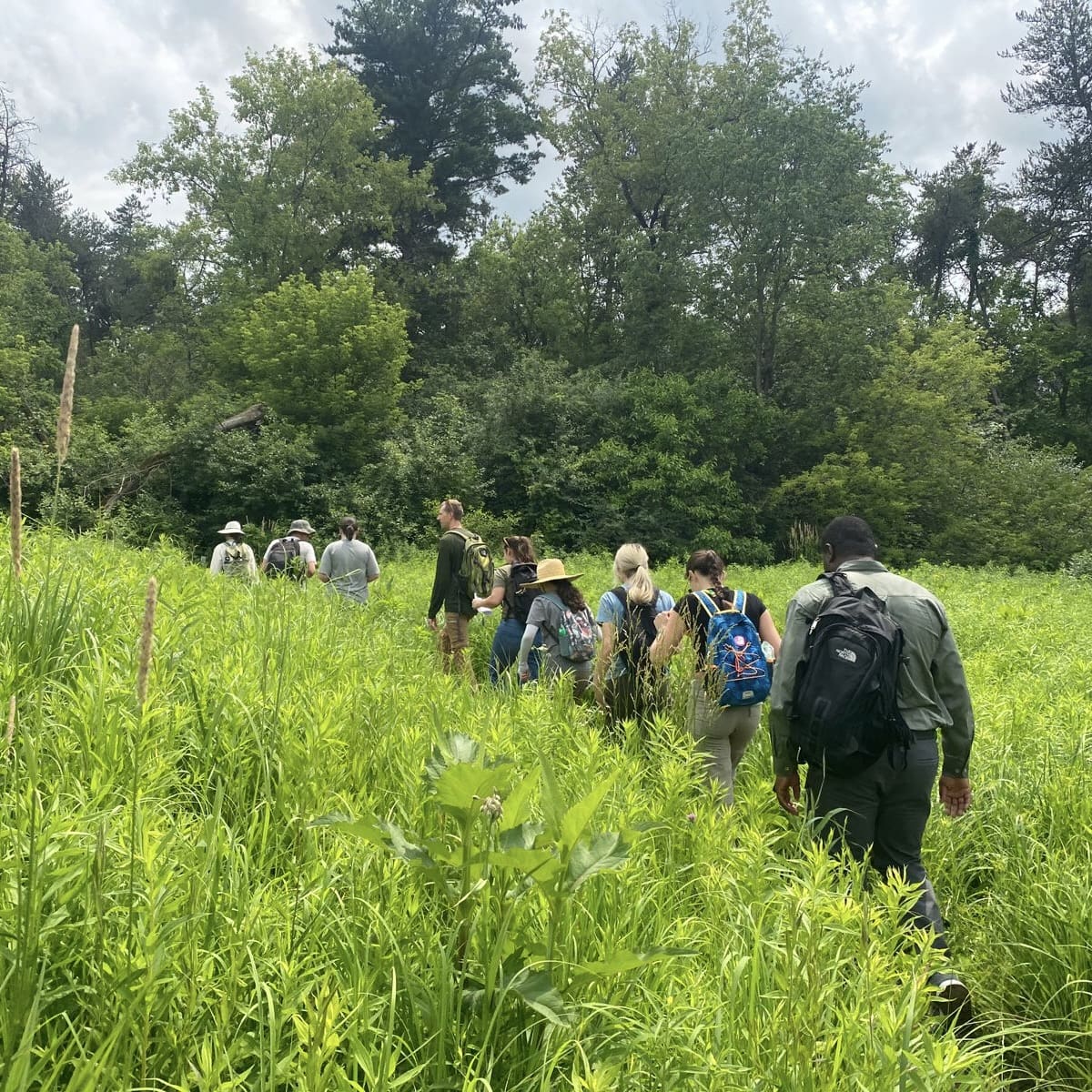
Since I was in an accelerated master’s program, I was expecting, and received, quite a heavy workload. We had hectic schedules and intensive fieldwork, tons of readings, assignments to complete but it all worth it. It was much more intensive compared to my academic workload in India, but it despite or because of this it was, overall, an incredibly enriching experience.
Did you have the opportunity to interact not just with academia but also with professionals in your field? In Madison but also around the U.S.? If so, anything inspiring you would like to share?
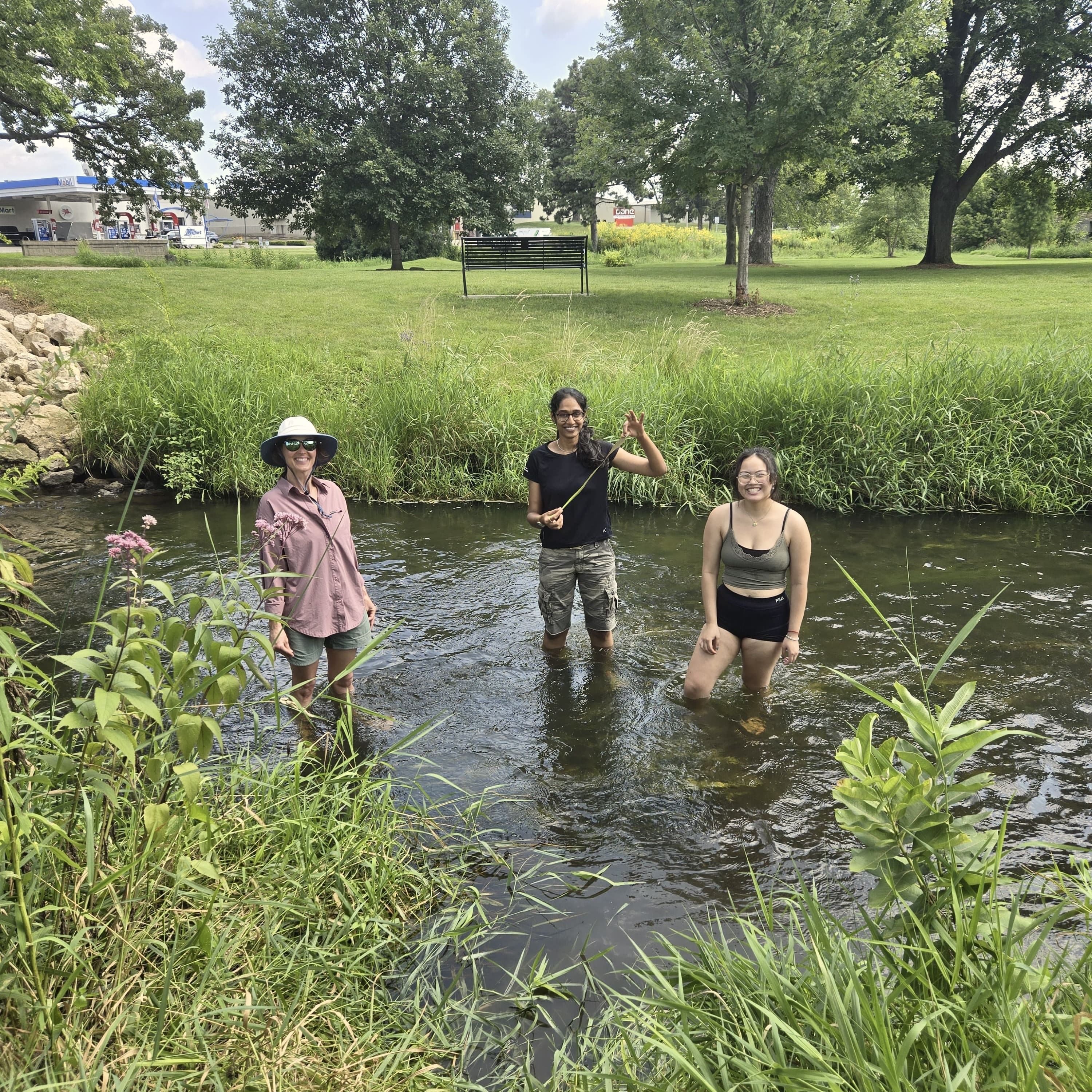
Yes, we had opportunities to work on real-world projects with organizations ranging from NGOs to city administrative bodies during the program. I worked with a small team from our cohort to develop a conservation plan for the restoration of a river basin in the city of Waupaca, Wisconsin. This gave me the chance to interact with the city team, understand their needs and resources, and work together to provide viable environmental solutions. I also worked with a local nonprofit, the Wisconsin Land and Water Conservation Association, to map the impact of their conservation activities at the county level. These experiences gave me a lot of confidence and valuable experience working with U.S. conservation groups.
Looking back at the past 12 months, do you feel you are in a different place now? Do you see your future differently? Have your goals changed?
I would say that I have become much more confident and stronger as a professional in the environmental protection sphere. This one year has allowed me to refine my interest areas and strengthen my abilities to contribute in the space that I am most interested in. I am hopefully looking forward to an opportunity that will allow me to pursue my interests and contribute my skills in the areas of conservation planning, community-based conservation, and water security.
Have you kept any connections with Auroville projects during this past year? I know a Master’s program is a lot of work.What is it like to be at a distance and watch things unfold from across the ocean? I am asking this as it is something that all of us at AVI USA experience every day.
I would say my connection with Auroville has significantly changed as it became completely virtual for the first time in my life. I was much more connected initially, and as I progressed into my course, I couldn’t keep up with a lot of the new developments that were happening in Auroville. But I somehow got a chance to talk or read about those through the course of the year. The many online platforms have been useful in learning about the events and new developments in Auroville from time to time. However, my connections with those in the U.S. who are or were connected to Auroville grew much stronger. I have had wonderful conversations and exchanges, with moments where I felt more strongly connected with Auroville, while being physically distant.
What’s next for Induja, long term and short term? Are you planning to stay?
The biggest question I am trying to find an answer to, and it keeps me busy these days. I want to stay in the U.S. for a few years, gain professional experience and deepen my knowledge before I move back to India. I am seeking opportunities to work in conservation and environmental planning, ecological restoration, community-based conservation, and water security planning. My long-term goal is to work on projects that make a real difference for people and nature, helping to build and strengthen connections between individuals and the natural environment all over the world. I want to travel and work in as many countries as possible and experience the different cultural narratives surrounding humanity’s relationship with nature.
What would be your ideal occupation and living place in the next two years?
I am currently in Madison for my studies and I am open about which part of the U.S. I will live in over the next few years. I will let my job decide that for me, I am always enthusiastic about new places and experiences. I will let my enthusiasm and interests shape the path of where I will be in the next two years.
How has your concept of your possible impact on the world, U.S., India, and Auroville changed?
I would say it has rather broadened than changed. I feel much more confident and determined about laying a path towards making positive impacts on the world. U.S., India, Auroville, and other parts of the world are part of it. I am seeing how experiences from one place can help the other, and I consider myself as an instrument that can facilitate such exchanges, with my growing capacities and knowledge. Renewing and strengthening the connections between humanity and nature will be at the heart of my endeavors far into the future. It is important for the present and future generations to be able to thrive on this planet in a meaningful and mutually beneficial way. These issues have broadened my interest areas into environmental education and policies as well. I am very hopeful about my path that leads to this work. I see it as a shared journey with fellow travelers on this planet, a path that is a collective experience and adventure rather than the journey of a single individual.
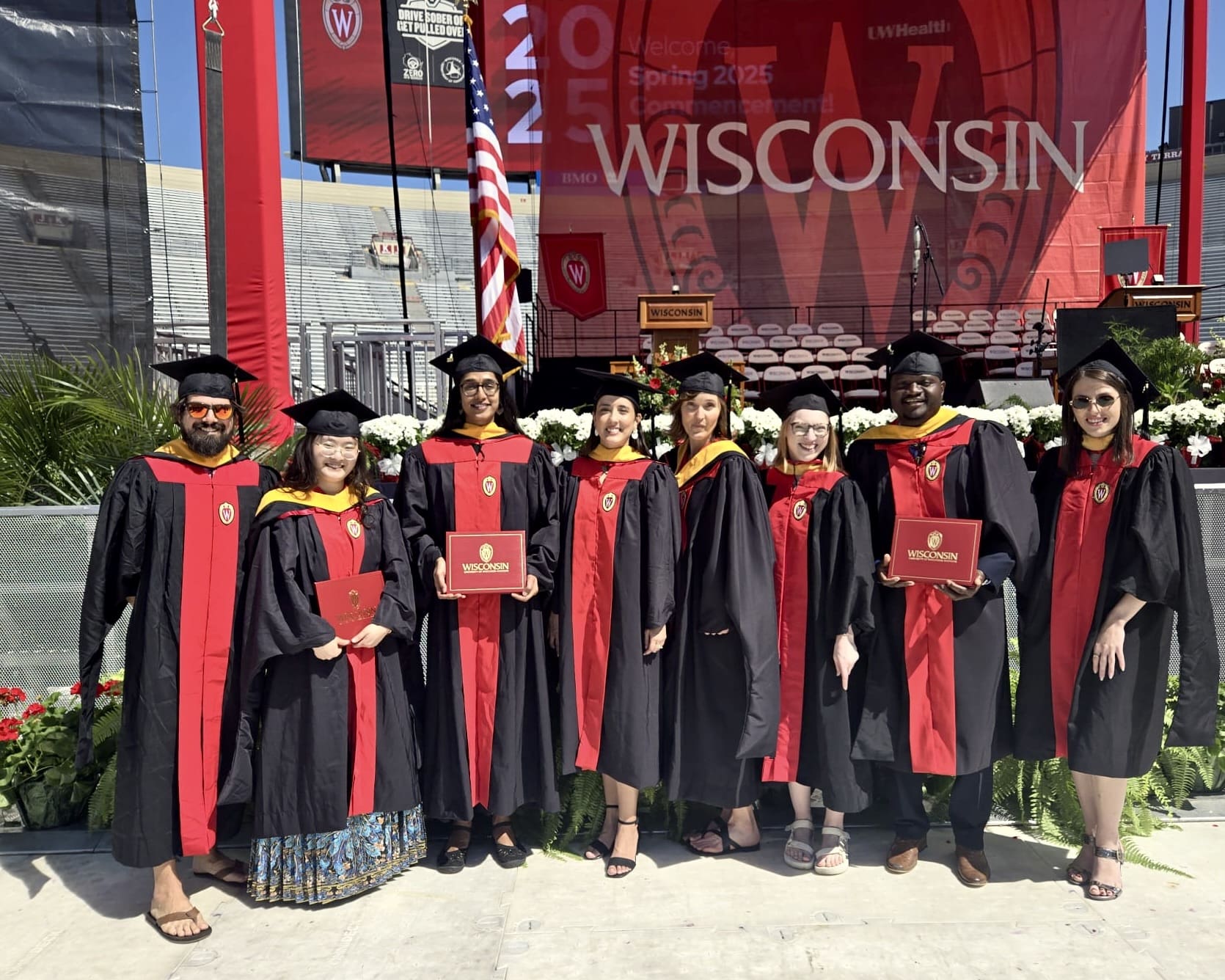
Induja’s Graduation at University of Wisconsin Madison, May 2025