
Morning Star:
Supporting Birth and Women’s Health in Auroville
“Out of the paths of the morning star they came
Into the little room of mortal life.”
— Sri Aurobindo, Savitri, Book I, Canto IV: The Vision and the Boon
Stepping into the Future
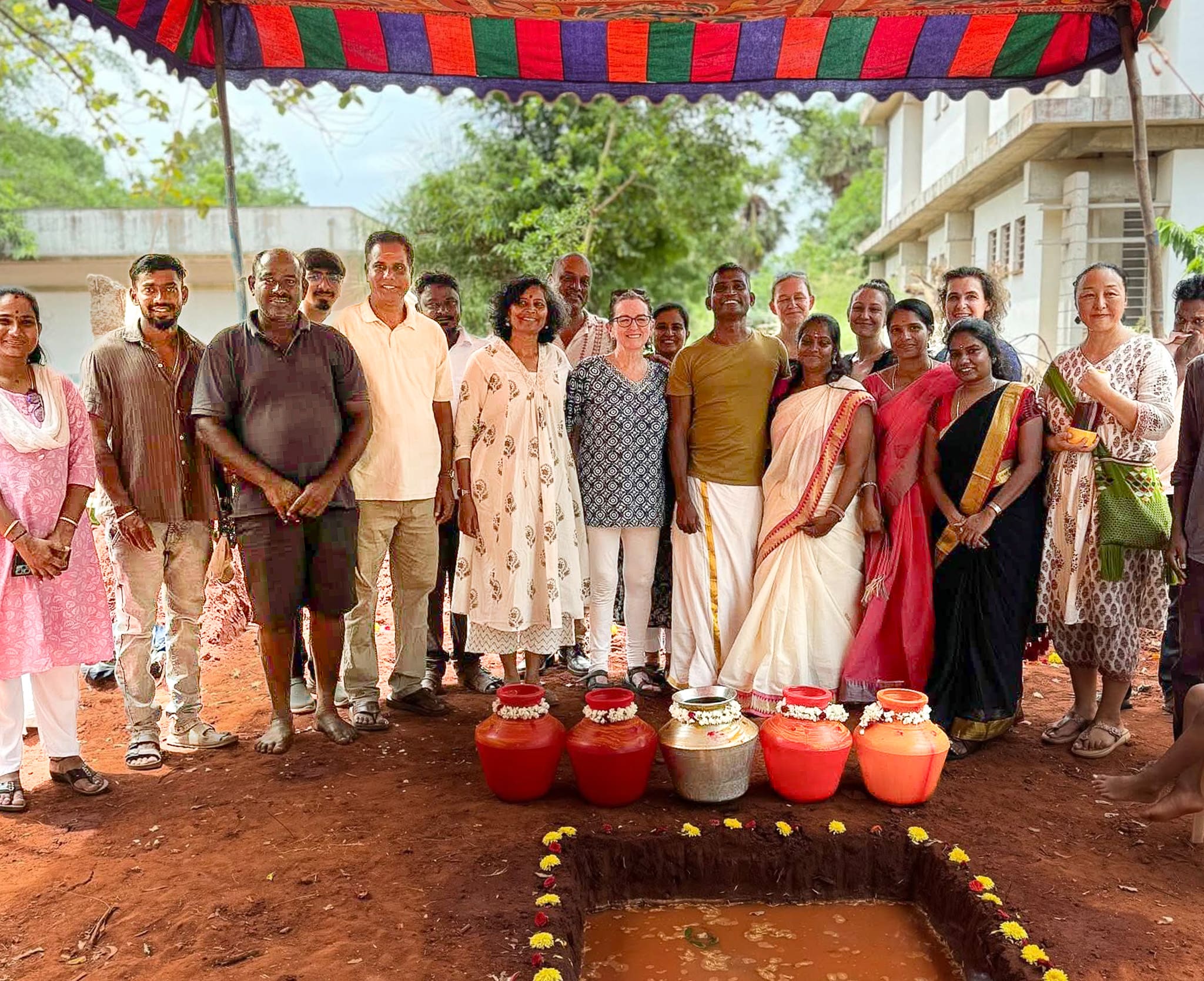
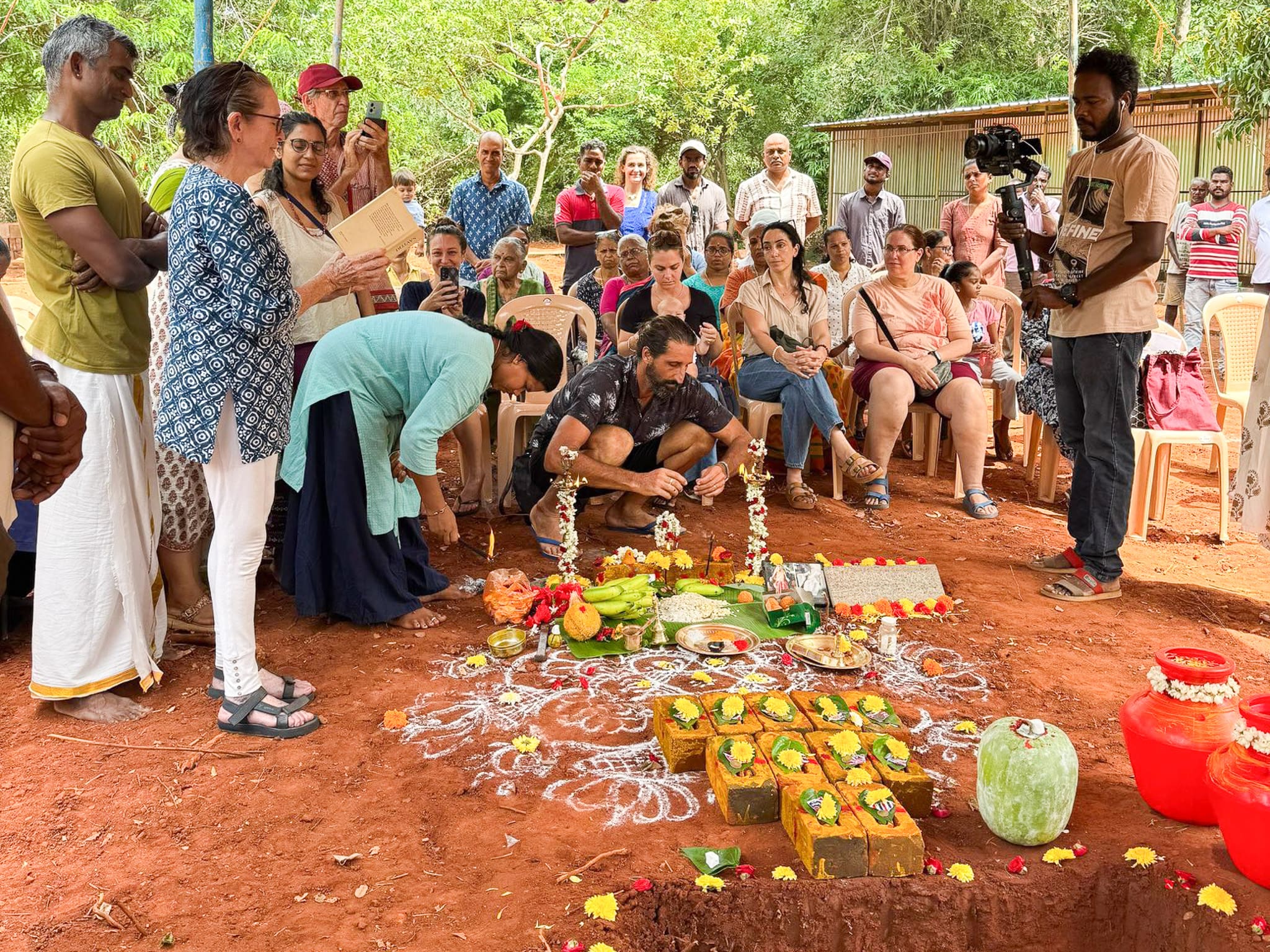
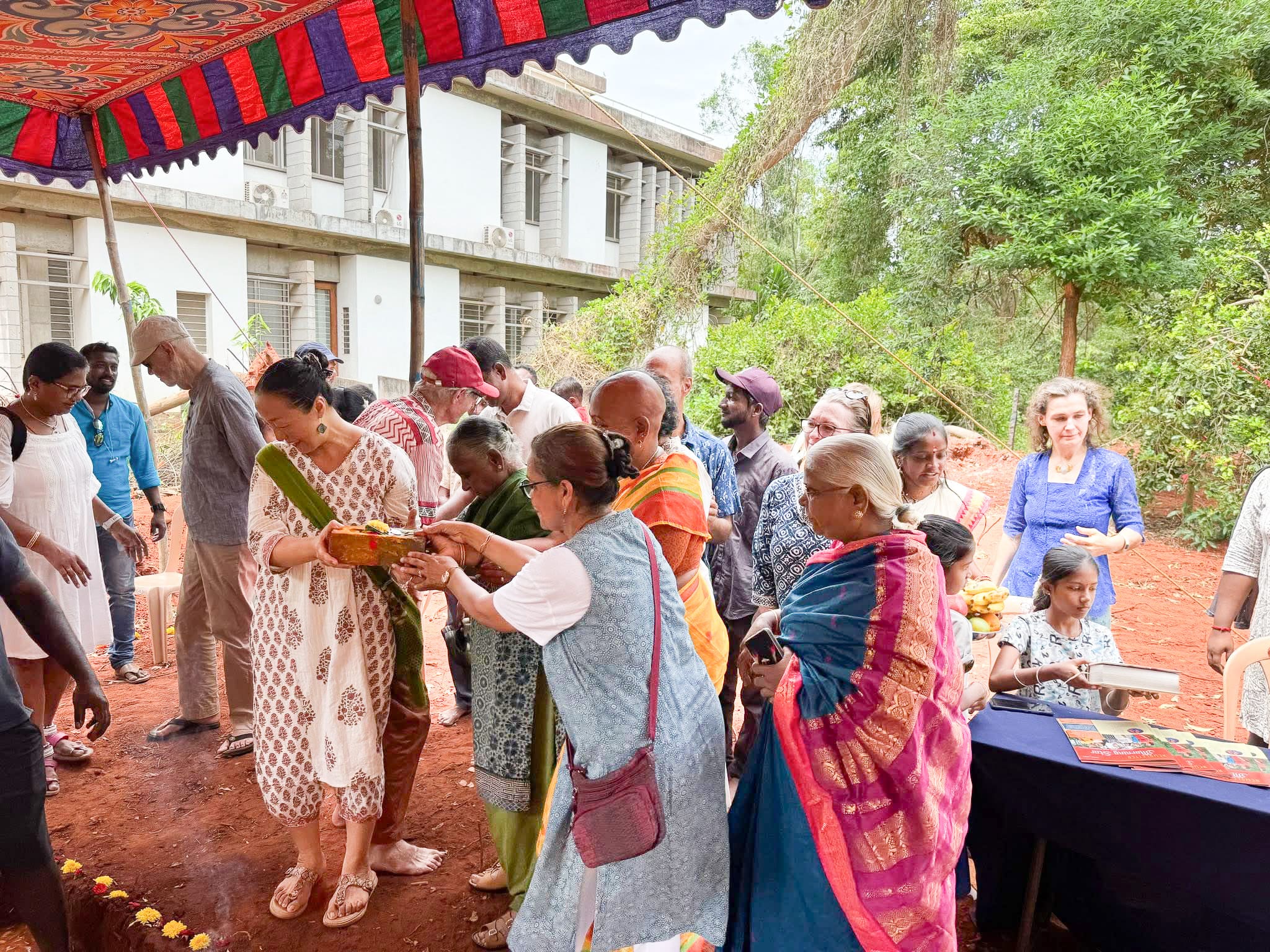
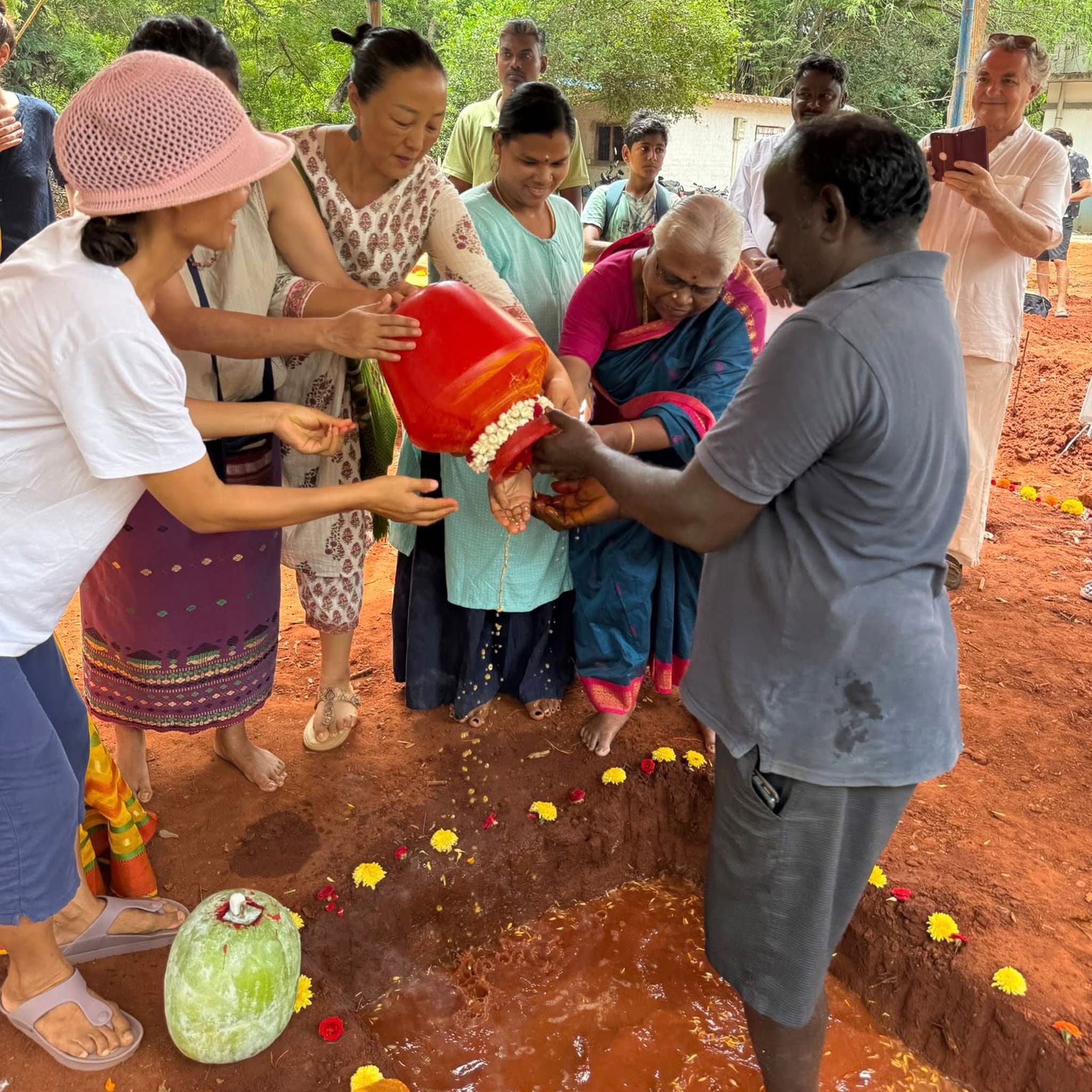
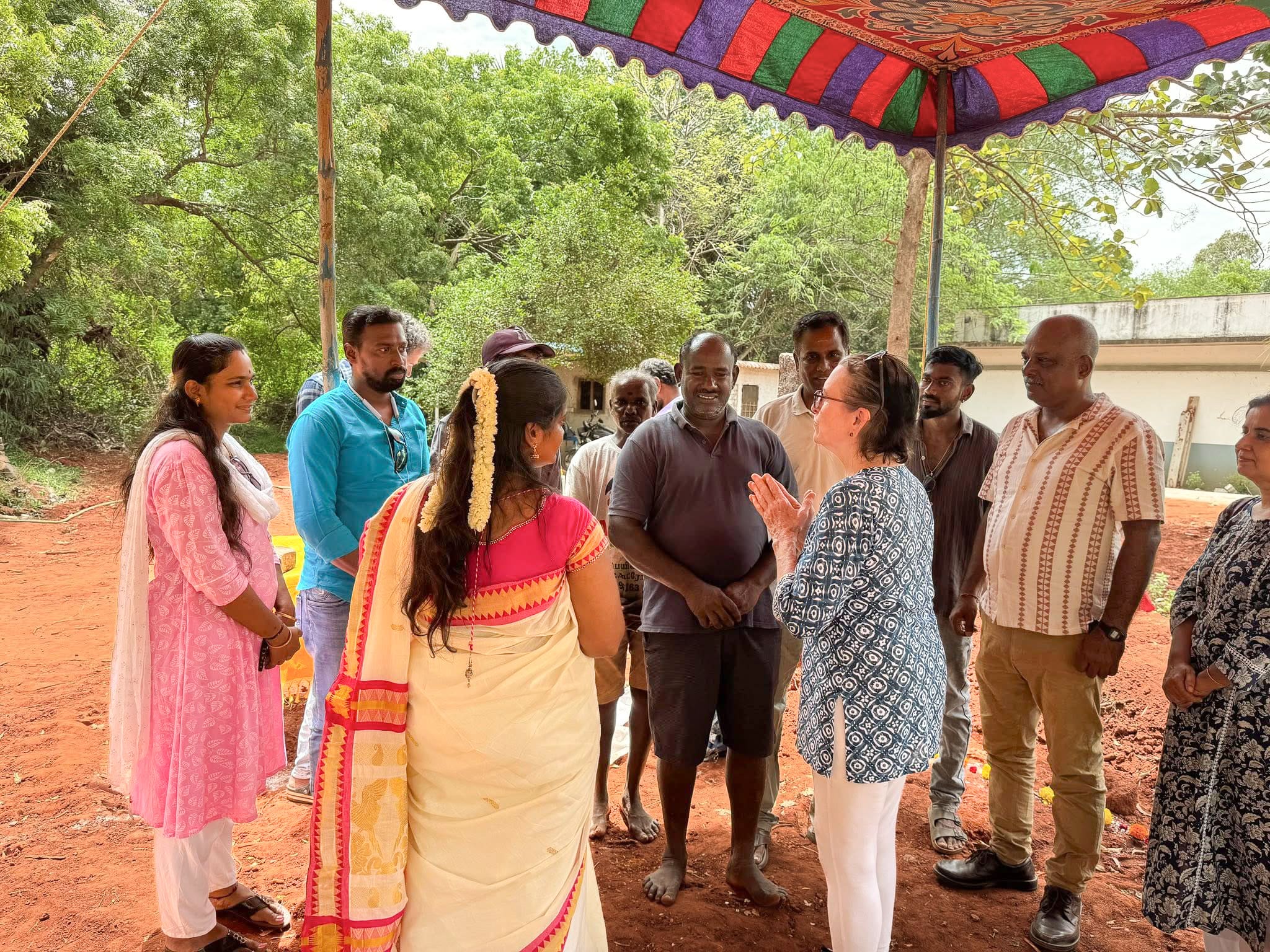
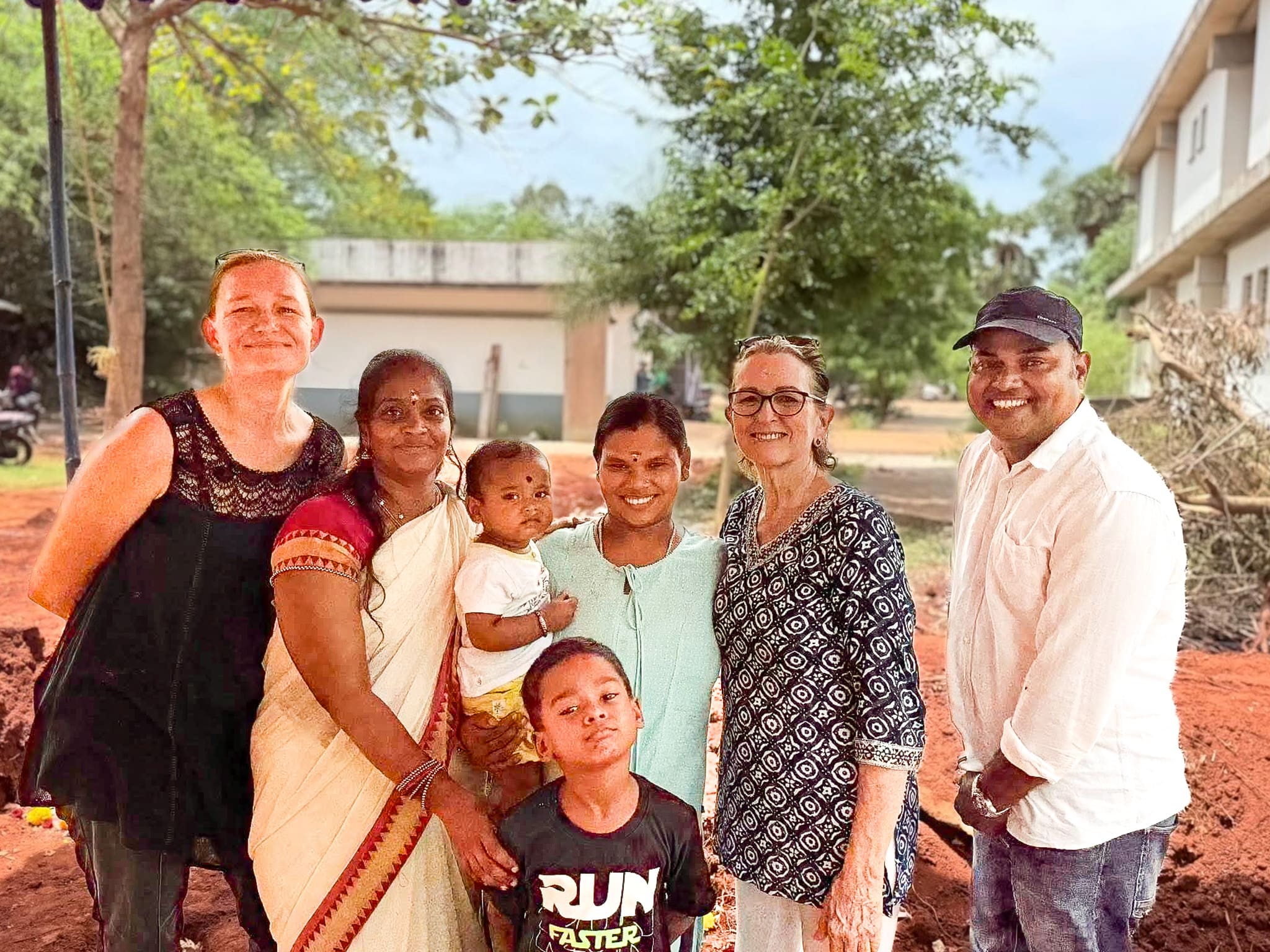
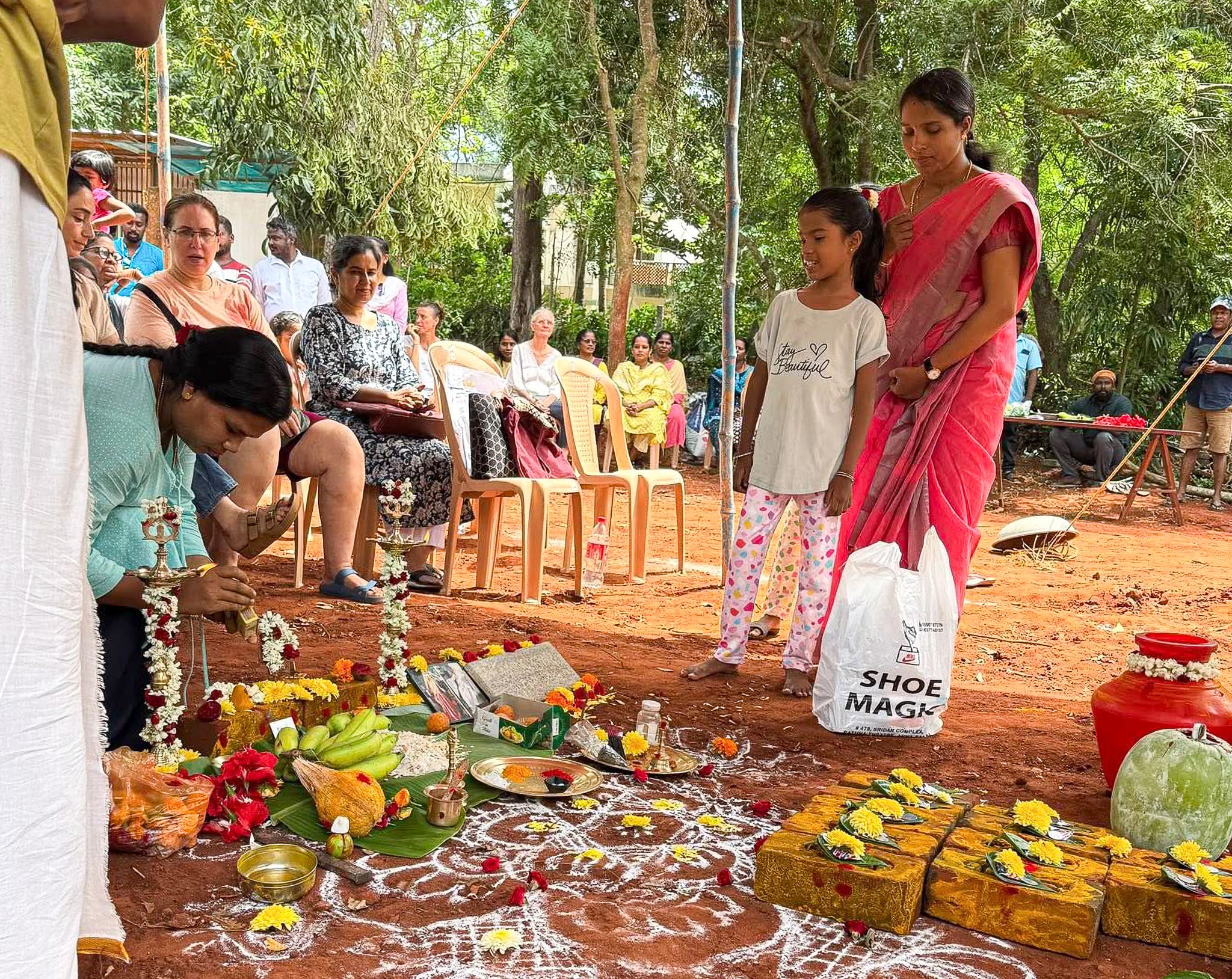
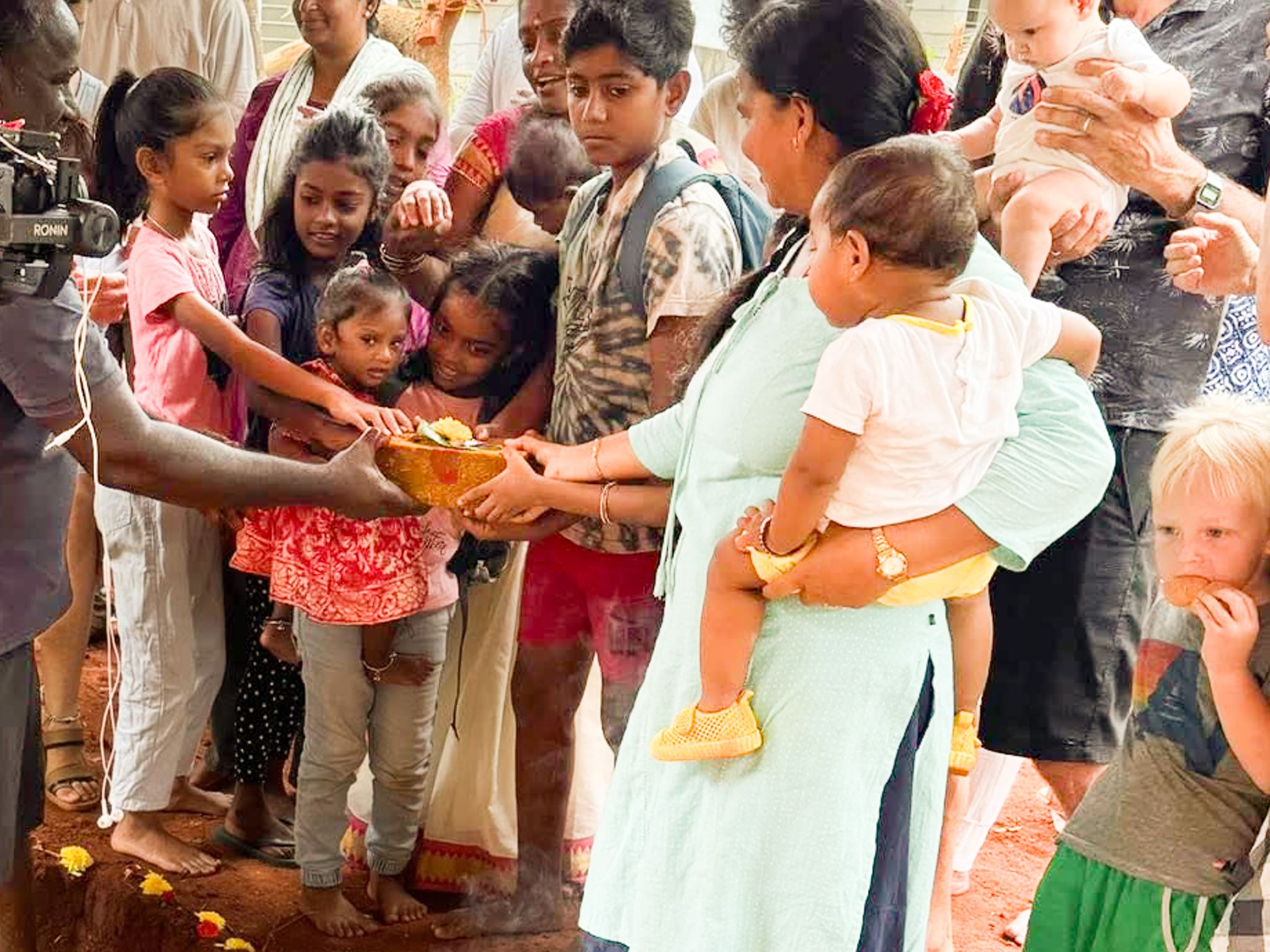
On May 29th, 2025, Morning Star Birth Center celebrated the groundbreaking for the construction of a dedicated birth and women’s wellness center in Auroville. The building, which will be located next to Santé, on the Integral Health campus, will support low-risk, natural childbirth and women’s health care in a setting designed to provide a high standard of both clinical and holistic health care..
The Morning Star Team has been active for over a decade, offering women’s health and midwife services, under the guidance of American born Aurovilian Paula Murphy, a midwife and nurse practitioner devoted to the practice of natural birth and women’s health care
Early Roots: Birth as a Community Offering
Paula first came to India in 1971 drawn by an interest in spiritual philosophy. After her arrival in Pondicherry she met The Mother and was deeply touched by the transformative power of Sri Aurobindo’s poem Savitri. The visit left a lasting impression. Inspired by The Mother’s emphasis on maternity care as a central need in Auroville and the establishment of the Maternity Center in Promesse as the first building in Auroville, Paula felt called to pursue midwifery as a licensed healthcare practitioner integrating both clinical knowledge and holistic care.
Back in the US she trained at a birthing center in Santa Cruz. In 1976 with her new skills, Paula returned for a second stay in Auroville. During her three months stay, she supported home births for early Aurovilians and indigenous Tamil women. At that time, there were no formal facilities, no electricity, no running water, and no established maternity care system. The knowledge of indigenous Tamil midwifery was slowly disappearing.
“It was very basic,” she recalls, “but there was a real need.” She came back with newly acquired midwifery skills and a willingness to support women wherever she could..
Following an Inner Calling
After returning from Auroville, Paula continued her work in the U.S., practicing as a home birth midwife. She later became a registered nurse and went on to complete a master’s degree in nursing, earning advanced certifications as both as a prescribing nurse practitioner and a certified nurse-midwife. For twenty years, Paula worked in a hospital setting in Wisconsin, where she was part of a collaborative team that supported her efforts to develop an in-hospital birth center, a water birth program and group prenatal care combined with childbirth classes in a therapeutic setting. She was often involved in innovative research projects centered on the birth experience. Her experience during this time allowed her to move comfortably between hospital-based care and community-centered approaches. She developed deep insights into women’s birthing needs, including pre and postnatal care, and saw firsthand the importance of building a strong sense of community and family connection through low-risk home birth programs.She recognized the advantages of home births for low-risk pregnancies and that midwives provided a higher quality of care, where mother’s would receive extended periods of focused practitioner support, while the hospital settings allowed for significantly less time.
Returning to Auroville
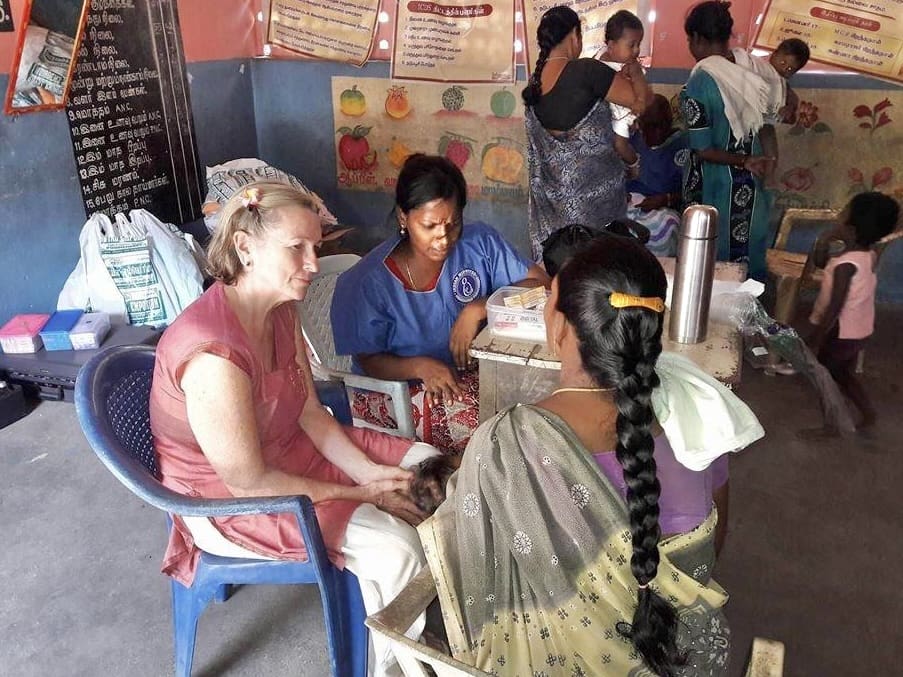
In 2013, Paula returned to Auroville and attended home births in Auroville. In 2015 she officially became a newcomer and she began offering women’s health services at Santé, Auroville Institute for Integral Health. Over time, a small network of women, local and international began collaborating under the name Morning Star to provide home birth support, offer education, and advocate for women’s health choices in Auroville and the bioregion.
“The birthing experience is at the center of every community. There was always a need for a dedicated Maternity Center,” she says, “but there were also practical obstacles.”
Tamil Nadu, like much of India, encourages births in a clinical setting. While that can improve access to advanced care in emergency situations, it also makes it difficult for natural birth to prevail. Midwife-led birth centers or supported home births have had challenges in receiving official recognition. “We are trying to expand the system,” Paula says. “We are trying to build something that makes sense for low-risk pregnancies, something safe, respectful, and grounded.”
Developing MorningStar
Plans for a dedicated space began over ten years ago. A section was initially designated for maternity care within the Auroville Institute of Integral Health, as part of the larger campus. Santé served as a starting point for births, but it was always intended as a temporary solution. As Morning Star’s work expanded, it became clear that a dedicated space was needed. Moving from concept to construction involved years of discussion, approvals, and practical problem-solving.
The new building has been designed with respect, privacy, sustainability and the needs of laboring women in mind. For birth there will be a birthing tub, support bars and ropes, stairs to go up and down in labor to help the baby move through the pelvis, and private spaces for the hard work of birth. There will be solar panels, a solar water heater and a backup energy system for essential equipment. Efforts will be made to reduce the use of single use plastic products and harsh cleaning materials. Morning Star is partnering with Auroville units and others to explore alternatives. “We’re doing everything to make Morning Star a model of woman-centered, eco-conscious, holistic healthcare,” Paula says. “It’s still a small facility, but we want it to reflect the values we care about.”
Training and Education
In creating Morning Star, Paula always realized that education must be one of the priorities. Several local community members received support in their training. Mageshwari, a nurse from the Auroville bioregion, completed a Master’s in Nursing with Morning Star’s support and is now gathering additional work experience. Another young Aurovillian with a passion for midwifery, Krishna, is pursuing a Bachelor’s degree in the U.S. with the goal of practicing midwifery the Morning Star.
Paula has also led research projects related to maternity care in Auroville. One study looked at gaps in maternity leave policies between Auroville residents, bioregional women, and those from other parts of India.
Transforming Community Experiences around Birth
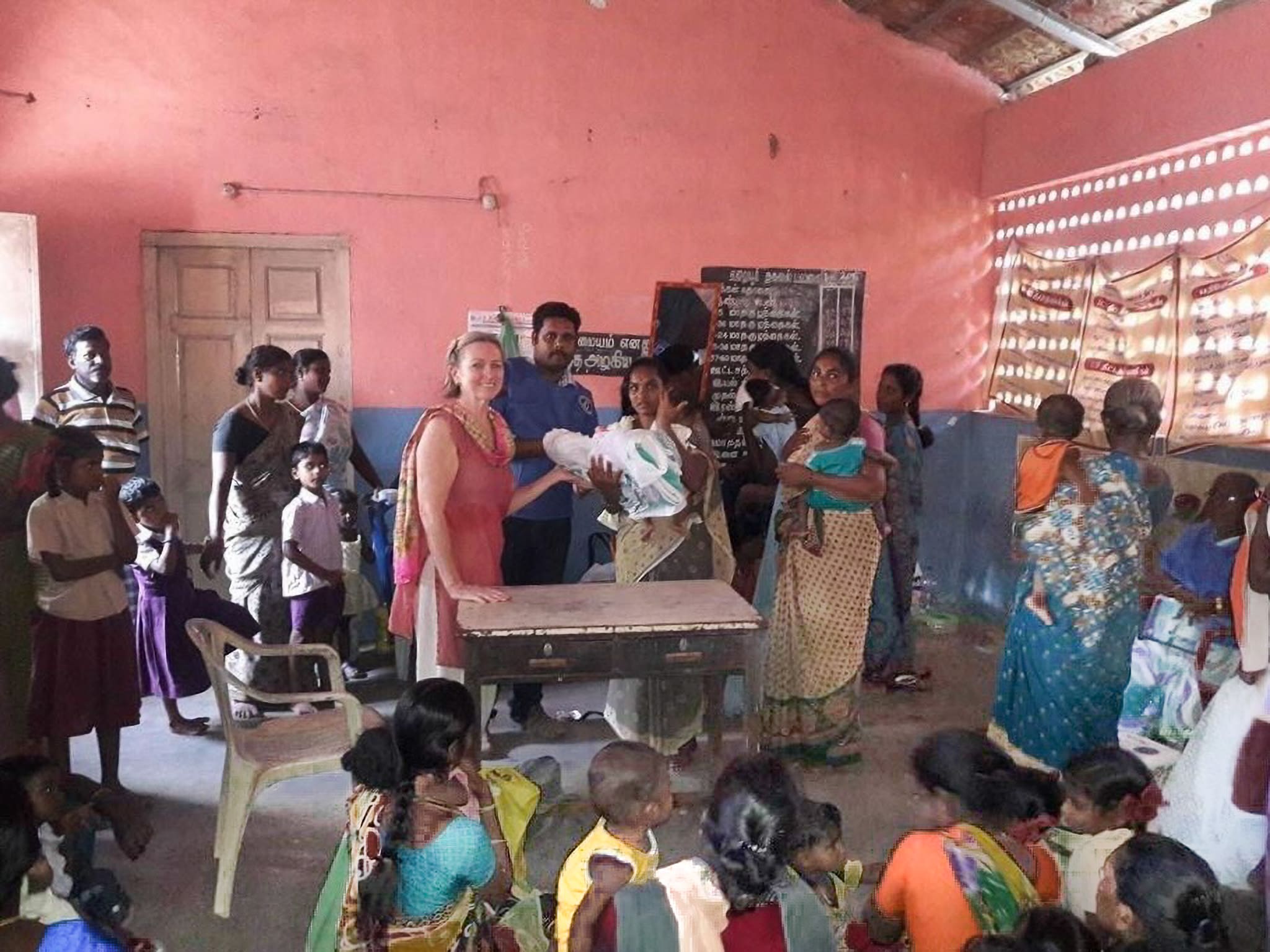
In addition to offering care for women, Morning Star has been working to include fathers in the childbirth process. In many parts of India, including Auroville, there is little infrastructure for supporting men during pregnancy, labor, and postpartum care. Morning Star offers prenatal classes for both parents and encourages shared decision-making.
“There’s still work to do,” Paula says. “Sometimes, a woman wants to make a choice about how to give birth, but the final say often comes from parents, in-laws or the husband. Our role is to give her good information, support her, and also help the family understand.”Many Auroville projects are grounded in a multifaceted understanding of Integral Yoga, and Paula’s work aims to bring this perspective into childbirth and community care. Her approach centers on honoring the sacredness of birth while fostering a supportive network that includes not only the mother and child but also the father, extended family, and the wider spiritual and work community. By emphasizing the importance of both maternal and paternal care before and after birth, Morning Star seeks to educate communities and build a more unified and conscious framework of support around the entire birthing experience.
Collaborating Toward Change in India
In recent years, Paula has connected with broader efforts to strengthen midwifery care in India, including a collaboration with the Fernandez Foundation in Hyderabad, Telangana. Led by Dr. Evita Fernandez and Midwifery Director Indie Kaur, the Foundation is known for its commitment to respectful and natural childbirth. With the support of experienced midwives from the UK, the Fernandez Hospital has developed a midwifery training program to integrate this model into clinical settings.
Cesarean sections are currently the most common surgical procedure in India, and medical training often prioritizes surgical deliveries. The Fernandez Foundation is one of the few institutions working to balance this trend by promoting midwife-led care.
Through this network, Morning Star remains connected to evolving practices and policies in India, and has occasionally been able to access government hospitals or funding streams in support of its work.
Looking Forward
The new building will allow the Morning Star team to offer services in a consistent and supportive environment designed for low-risk pregnancies and women’s health, including gynecology care. Beyond clinical care, it aims to be a place for learning, collaboration, and community support.
“This is a small project, but it’s part of a bigger question,” Paula says. “How do we support women, families, and birth in a way that’s thoughtful and respectful, especially in a place like Auroville?”
Morning Star continues to grow as a full-spectrum midwifery practice, providing integrative care throughout the reproductive journey. Prenatal appointments are held in the clinic with regular visits that increase as birth approaches, including health assessments, nutritional guidance, lab work, and planning. Around 36 weeks, the birth team visits the home to prepare for labor and postpartum needs.
Labor support begins at home and continues at the hospital, with midwives offering continuous care, advocacy, and hands-on guidance. Postpartum care starts with home visits focusing on healing, breastfeeding, and newborn wellness, then transitions to clinic follow-ups.
Childbirth classes offer practical skills and emotional support for parents preparing for birth and early parenting. Holistic gynecology services include well-woman exams, fertility and menstrual care, contraception counseling, and menopause support.
Importantly, Morning Star integrates ecological awareness and sustainability into its approach, striving to model community-rooted, environmentally mindful maternity care that honors both the body’s natural intelligence and the wider environment.
Morning Star’s work is ongoing—not only building a space but continuing to learn and evolve in partnership with the community it serves.