
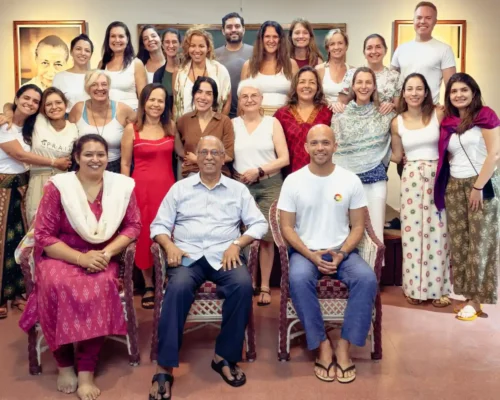
SACAR at Twenty-Five: Scholarship, Publishing, and What Comes Next
“As you go along, your future will be revealed to you.”
— The Mother, to Dr. Ananda Reddy
A Pondicherry research center has spent four decades building the secondary literature for Sri Aurobindo’s works. AVI USA is now supporting what comes next.
SACAR — the Sri Aurobindo Center for Advanced Research — is a small, independent research institution in Pondicherry that has spent twenty five years building a serious academic foundation for the study of Sri Aurobindo’s works. After two and half decades of publishing, teaching, and training scholars largely without external research funding, it is entering a new phase. AVI USA is glad to be part of it.
A life shaped by the Mother
To understand SACAR, we start with its founder, Dr. Ananda Reddy — because the institution is, in many ways, the expression of his sustained commitment to Sri Aurobindo’s vision.
Dr. Reddy came to Pondicherry as a child of ten or eleven, admitted to the Sri Aurobindo International Centre of Education, the Ashram’s school. He grew up, studied, and during those years developed a relationship with the Mother that would shape the rest of his life. When he graduated, she asked him whether he wanted to be part of something new that was coming. He said yes — and she sent him to Auroville.
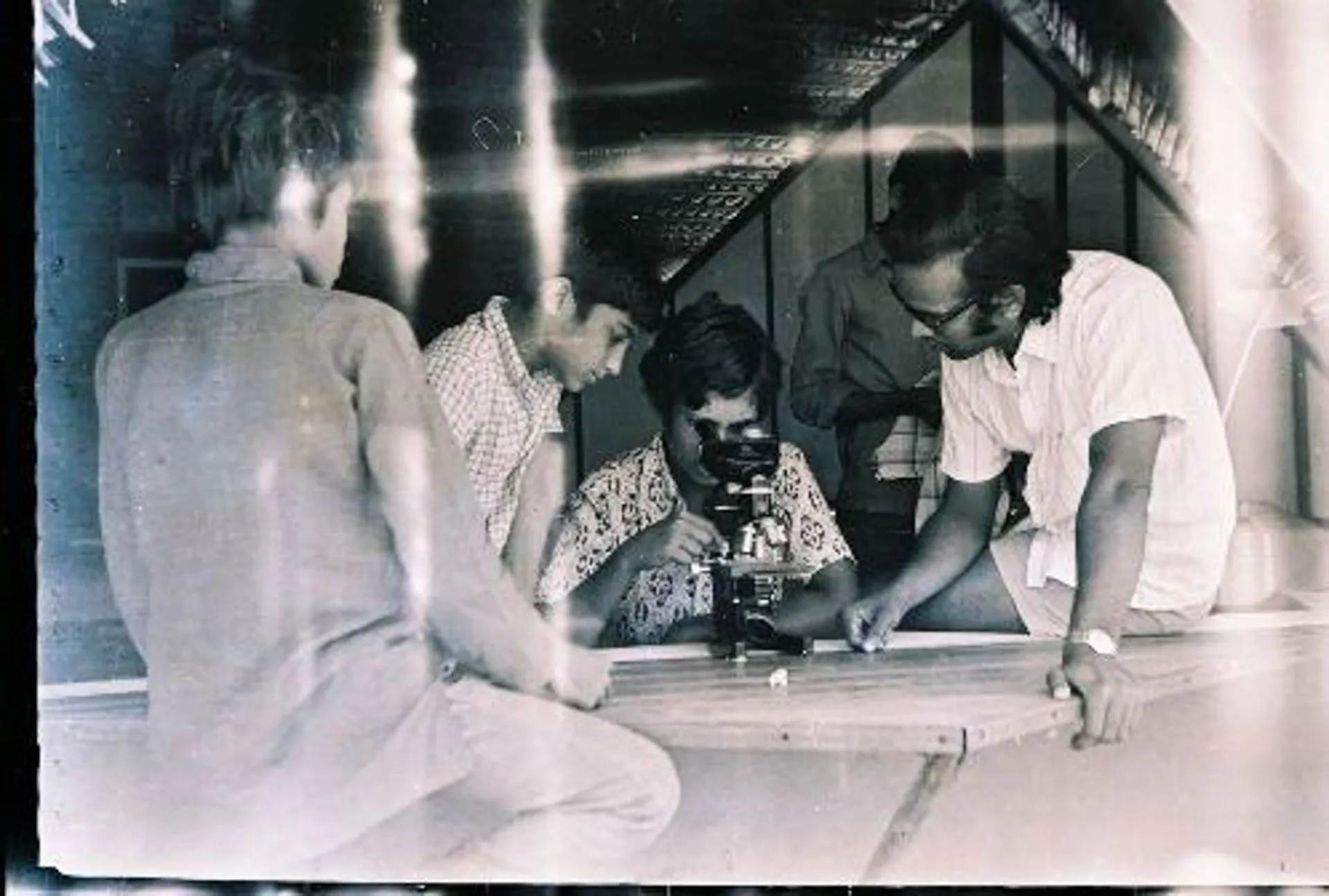
It was 1968, the very beginning. Dr. Reddy was among the small group of early Aurovilians who broke ground for the Matrimandir with their own hands. He worked in various settings, including manual labor, and eventually shifted to teaching children in the “Aspiration” school that was then little more than a hut. He wrote letters to the Mother describing everything they were doing, waiting for her guidance by return post. He calls it his “romance with Auroville” — a period of organic growth, of building something from nothing, on a plain ground simply given to them to develop.
After the Mother left her body in 1973, Dr. Reddy pursued graduate and doctoral studies — first in Hyderabad, then at Madras University — staying in close correspondence with senior ashram figures like Champaklalji and Nolini Kanta Gupta. He eventually returned to Pondicherry, worked for a time with Auroshikha, and then spent several years in Bangkok, where he and his wife Deepshikha worked and saved with a specific intention: to build an institution for the serious academic study of Sri Aurobindo’s works.
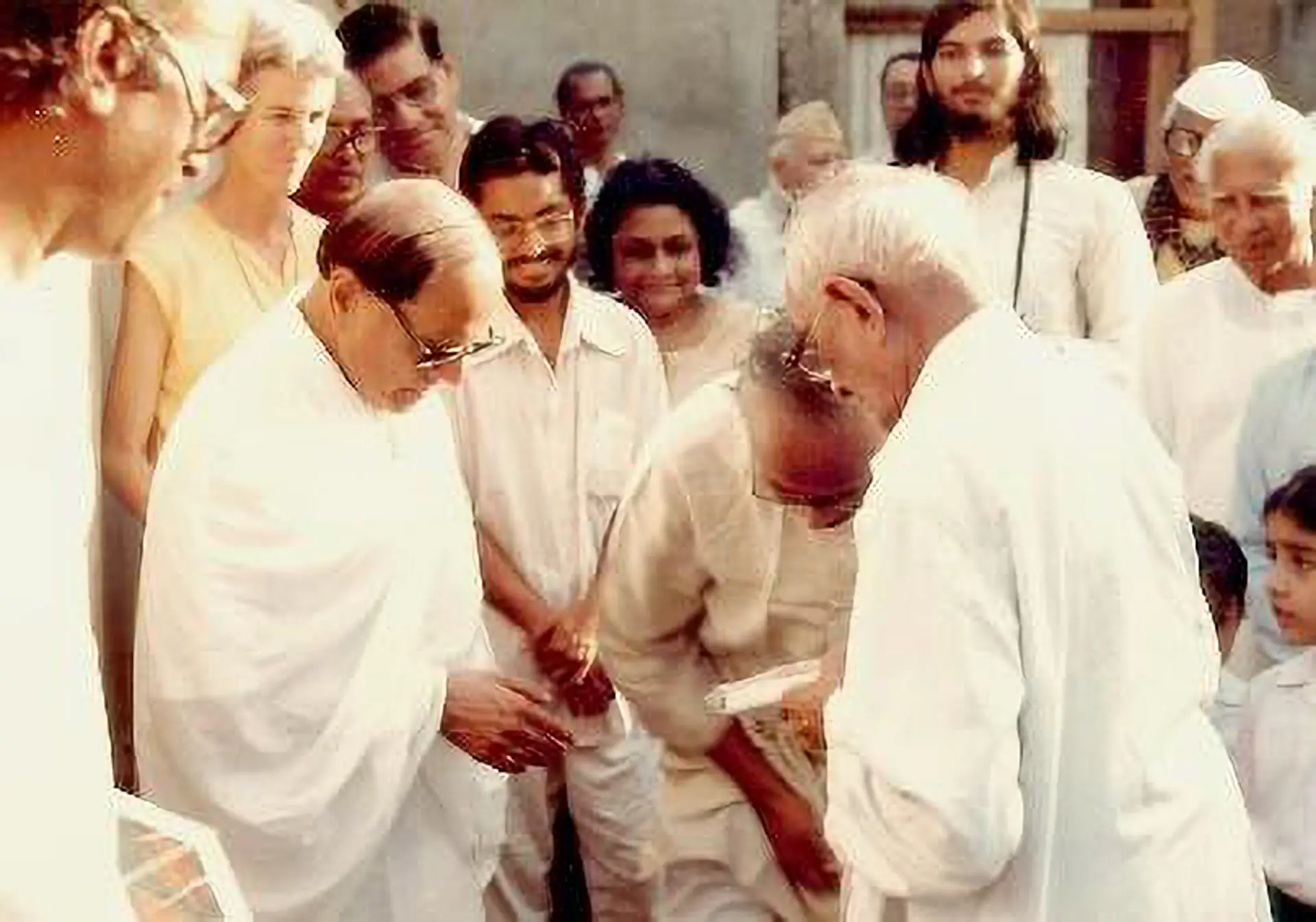
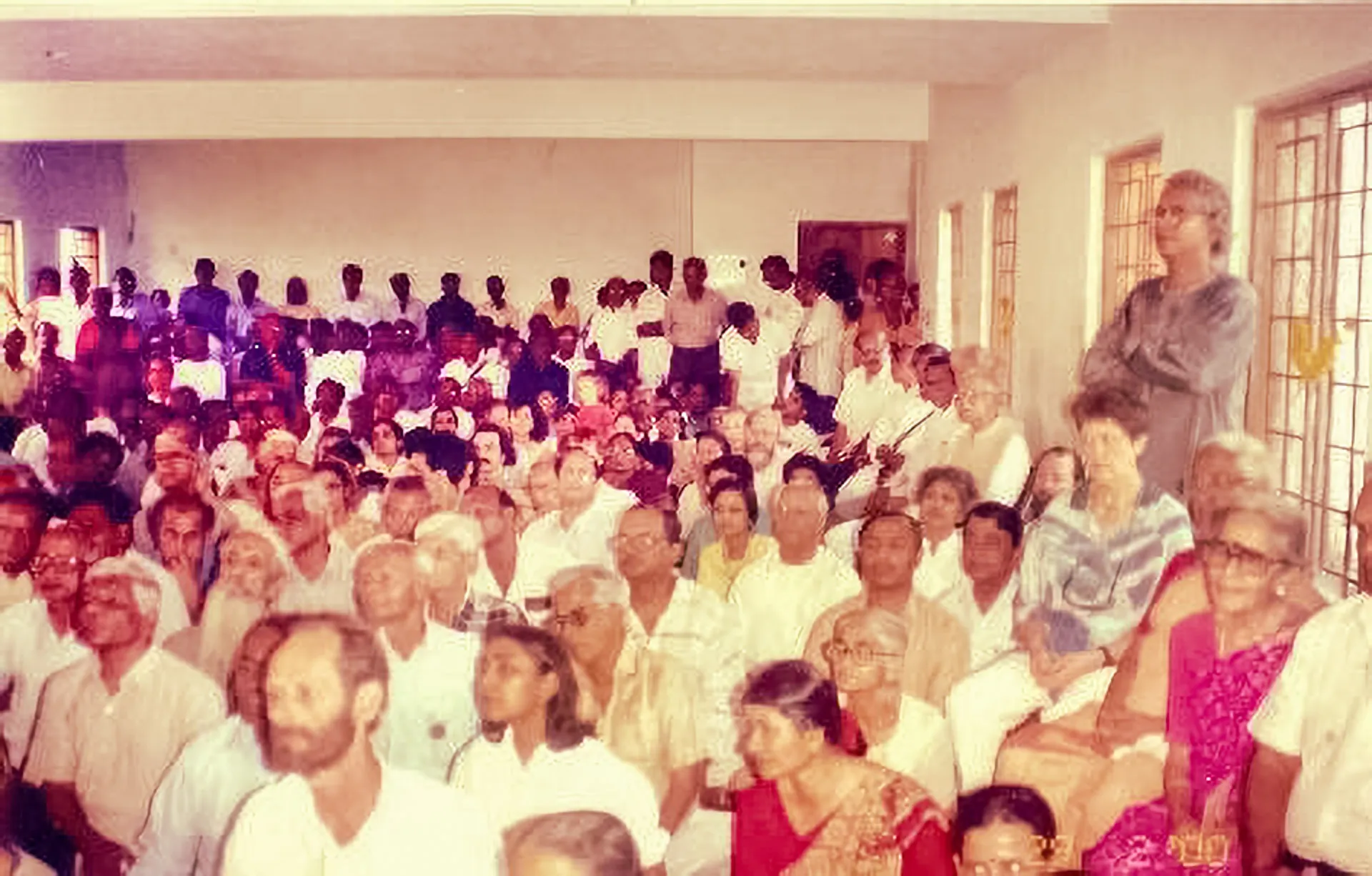
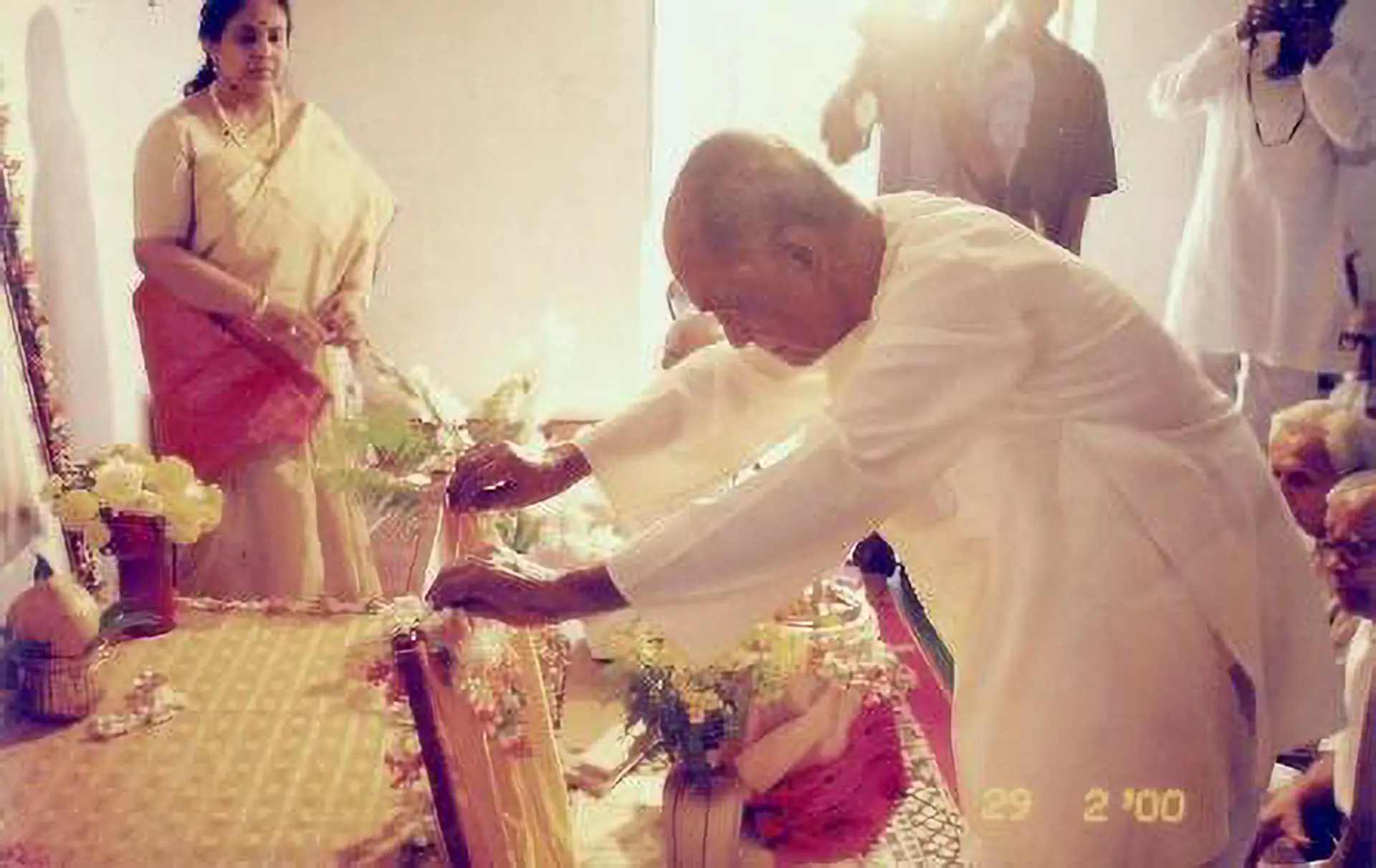
The foundation had already been laid — literally — by his father, Professor Madhusudan Reddy, together with M.P. Pandit, Duman Bhai, and other senior scholars who had known Sri Aurobindo and the Mother personally. In 1998, Dr. Reddy registered it as a trust, acquired more land, traveled the world to raise funds, and in 1992 the ground-breaking ceremony for SACAR was organised — with his mentors and teachers from the ashram present, and a large crowd of people sitting on the floor and standing on the balcony. (Is it possible to mentioned 1992 event first and then 1998, followed by the year 2000 when SACAR was formally inaugurated.)
The work of Twenty Five years
What SACAR set out to do was specific and ambitious: to make Sri Aurobindo’s works academically accessible, transmitting the wisdom and insight in the most universal way. It was intrinsic to this vision that students were not required to be devotees. The criterion for joining was simply a commitment and openness to the serious study of a new vision, without age or background requirements.
Over the decades, the forms this took shifted constantly. Early on, there were courses, seminars, conferences, and symposiums, with luminaries like Nirodbaran reading Savitri aloud in the hall. Later came online learning — remarkably early: Dr. Reddy was offering courses through US universities via a learning management system back when internet access in India was barely functional. In the 2008, SACAR partnered with Indira Gandhi National Open University (IGNOU), one India’s largest distance-learning institutions, for certificate, diploma, MA, and PhD programs — offering roughly twenty or more papers. More recently, a formal MOU with Nalanda University — the ancient Indian institution being resurrected in Bihar — has produced three successive batches of students completing a certificate course in Sri Aurobindo’s thought; the program runs twice yearly and is open to professionals and students alike, not only those enrolled at Nalanda. A separate MOU with Pondicherry University has established an internship and research program, currently bringing students to SACAR for structured study.
Since 2015, SACAR has published over forty books — more than doubling their entire previous output — with a team of four people who each hold several roles.
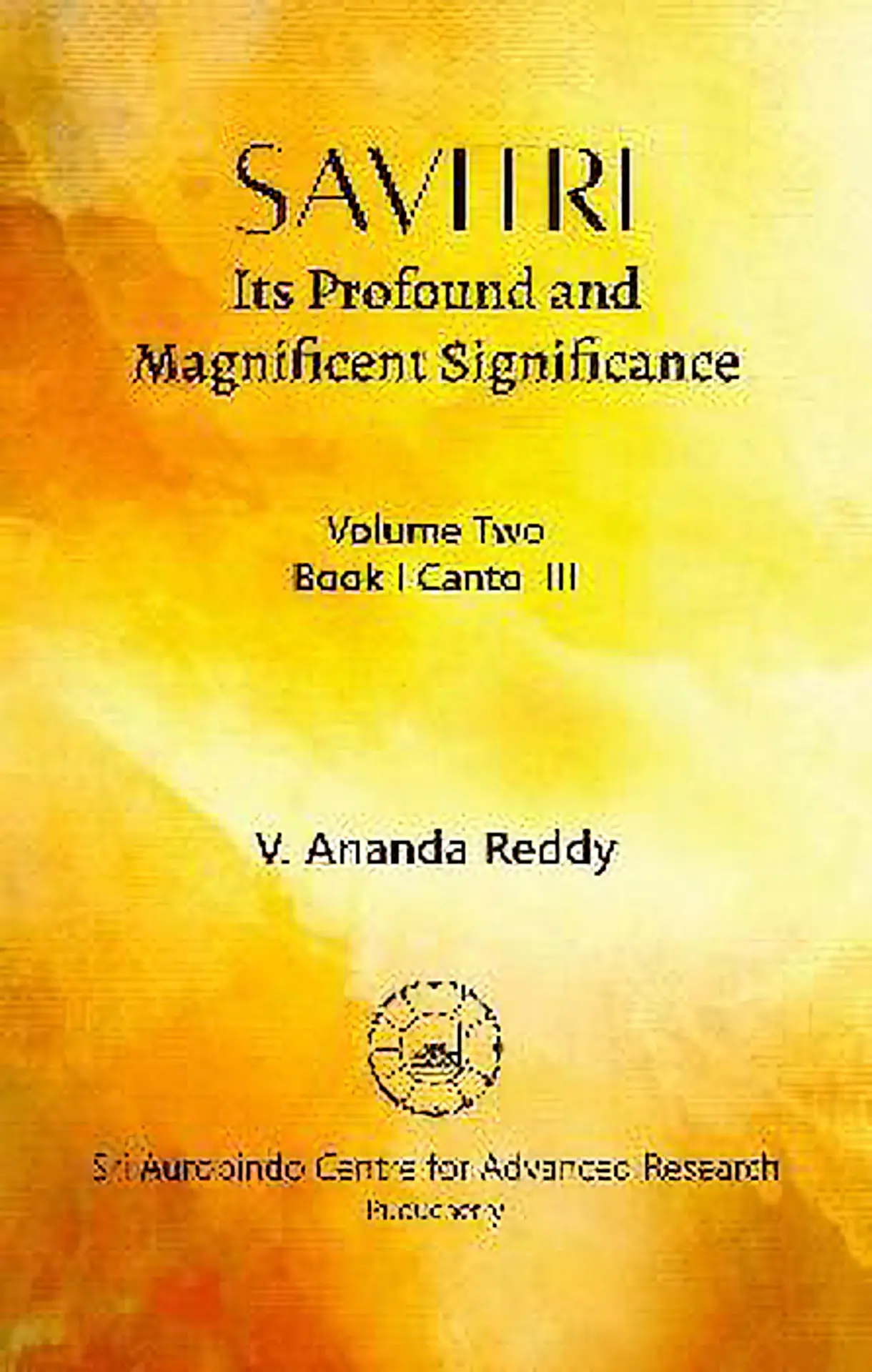
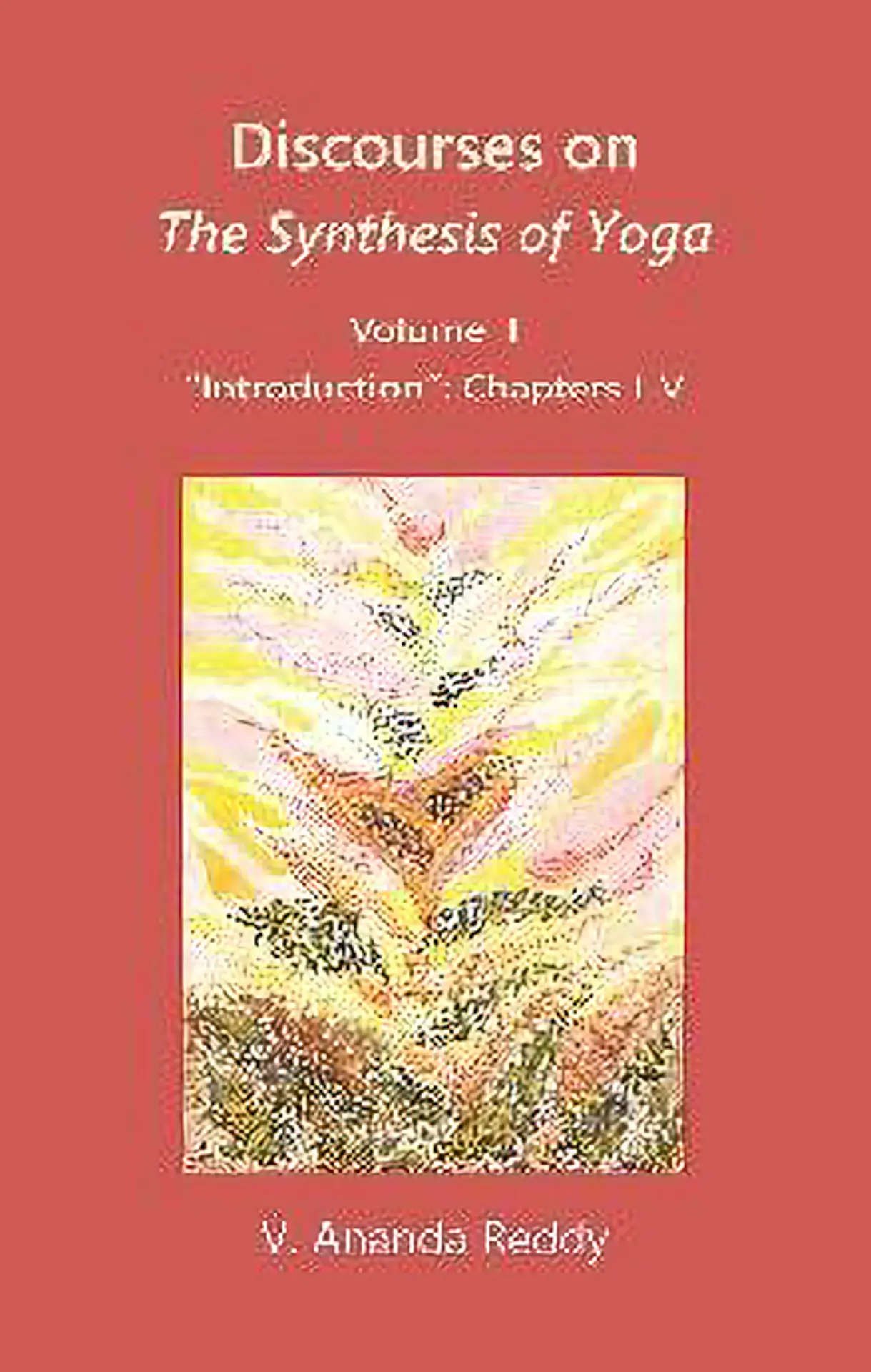
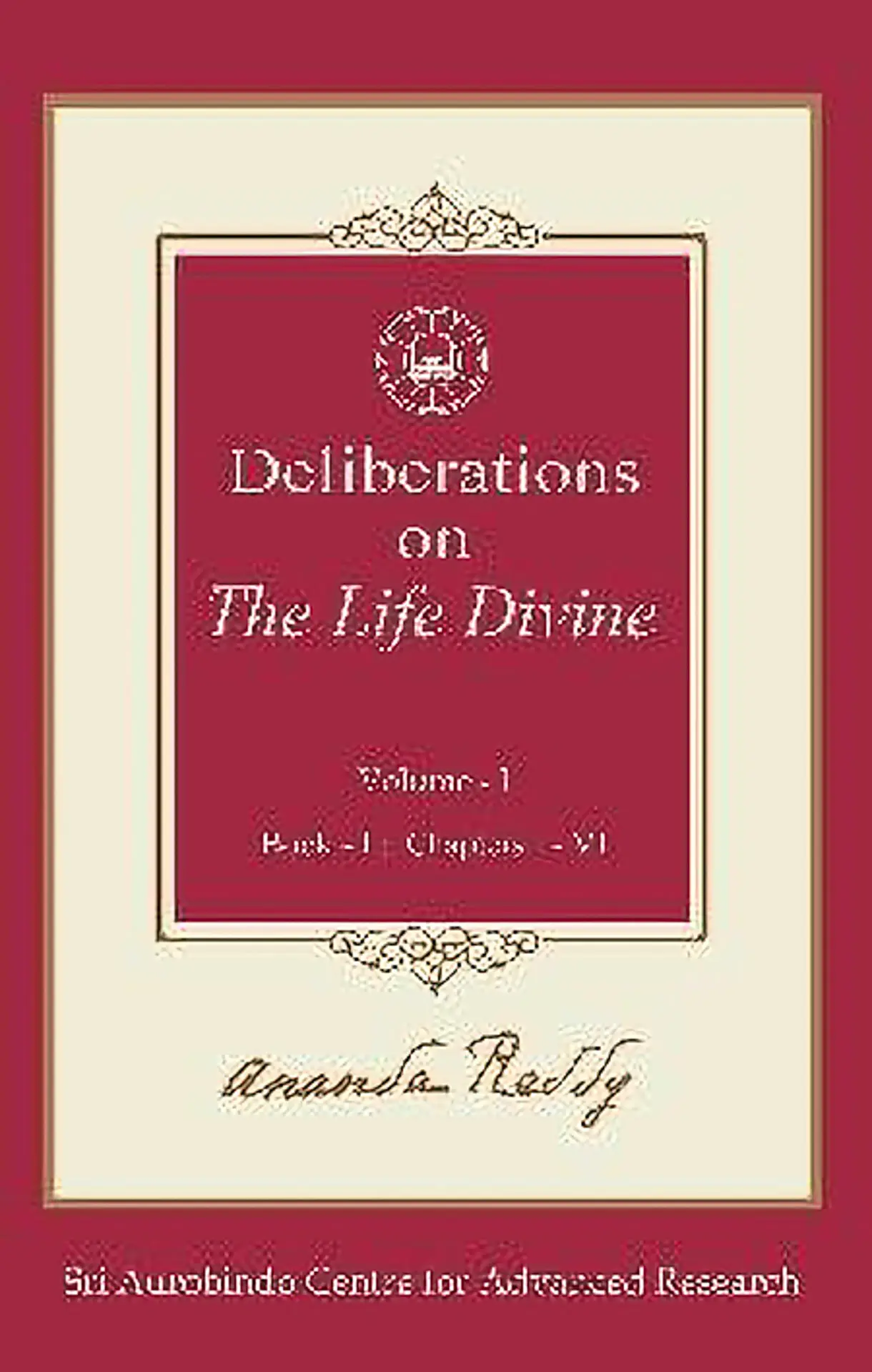
Throughout all of this, Dr. Reddy has been building something else in parallel: a body of secondary scholarship that did not previously exist. Because Sri Aurobindo’s works are vast, dense, and written in a register that even fluent English speakers often find difficult, one of the biggest barriers to research has simply been the absence of good commentaries. SACAR has now produced multi-volume scholarly editions of The Life Divine, The Synthesis of Yoga, and Essays on the Gita, with Savitri currently in progress. As SACAR coordinator Shruti puts it: “If anybody wants to do research, we have this entire gamut of secondary material ready.” It is, in the tradition of Indian scholarship, a Bhashya — a commentary tradition — for Sri Aurobindo’s works.
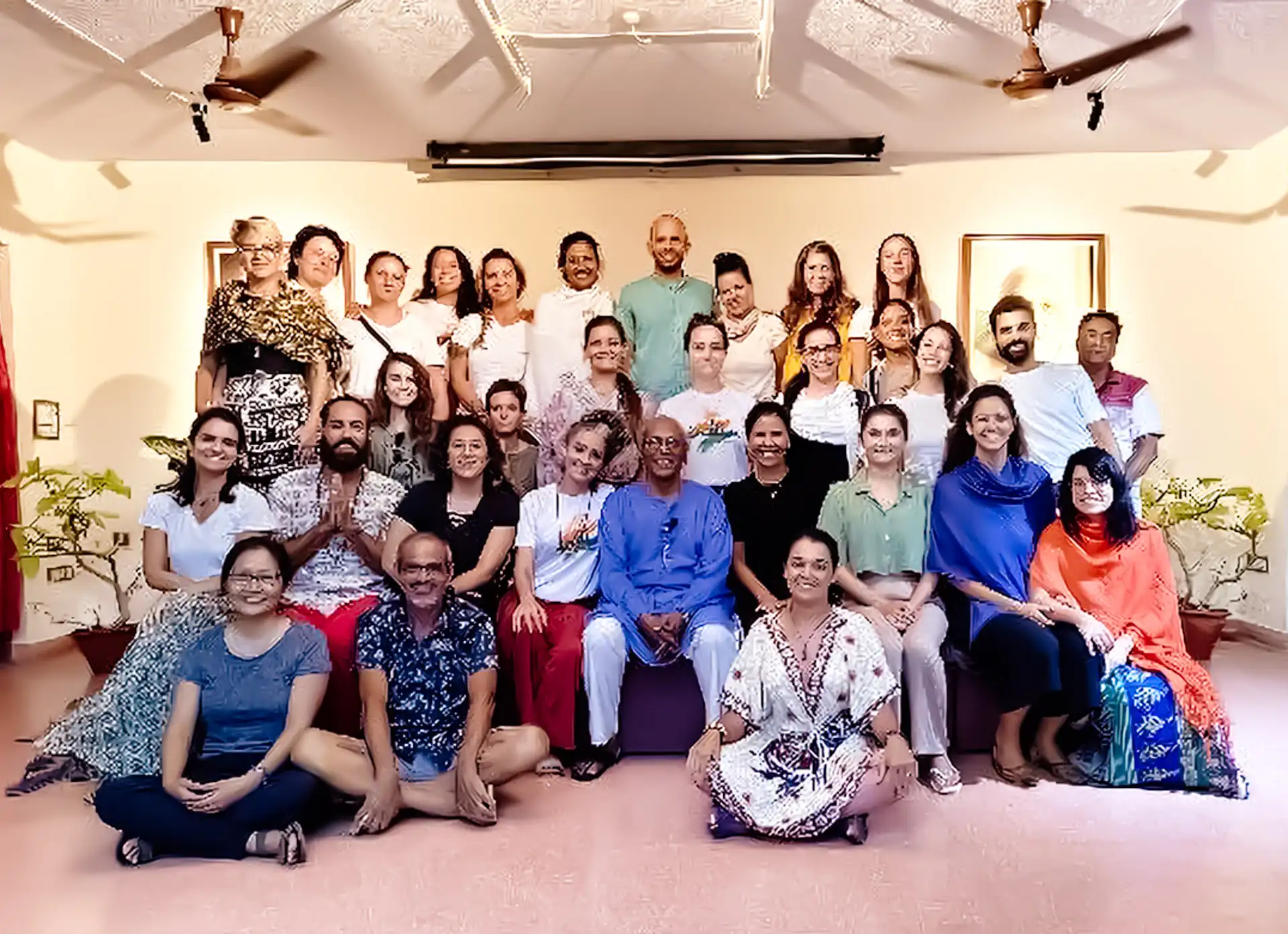
The publishing arm that has grown to support this is substantial for an organization of seven people. SACAR designs its own covers, handles its own editing and proofing, and sends only the final print run to an outside printer. A mobile app, Auro Darshan, makes Dr. Reddy’s talks — including recordings not available on YouTube — free to access on Android. His wife Deepshikha delivers lectures and records podcast episodes in Bengali, Hindi, and Marathi. Every person on staff holds several roles.
None of this happened by blueprint. SACAR’s approach, shaped by what Dr. Reddy absorbed during his years in the ashram, is one of organic growth and openness to the Mother’s guidance: activities develop around the people who come, not the other way around. Staff are encouraged to grow across disciplines. Proposals from outside researchers are reviewed carefully and held to clear scholarly standards — but flexibility within those standards is treated as a feature, not a compromise. “It has always been about collaboration,” Shruti says, “not competition.”
A new phase, Twenty Five years in
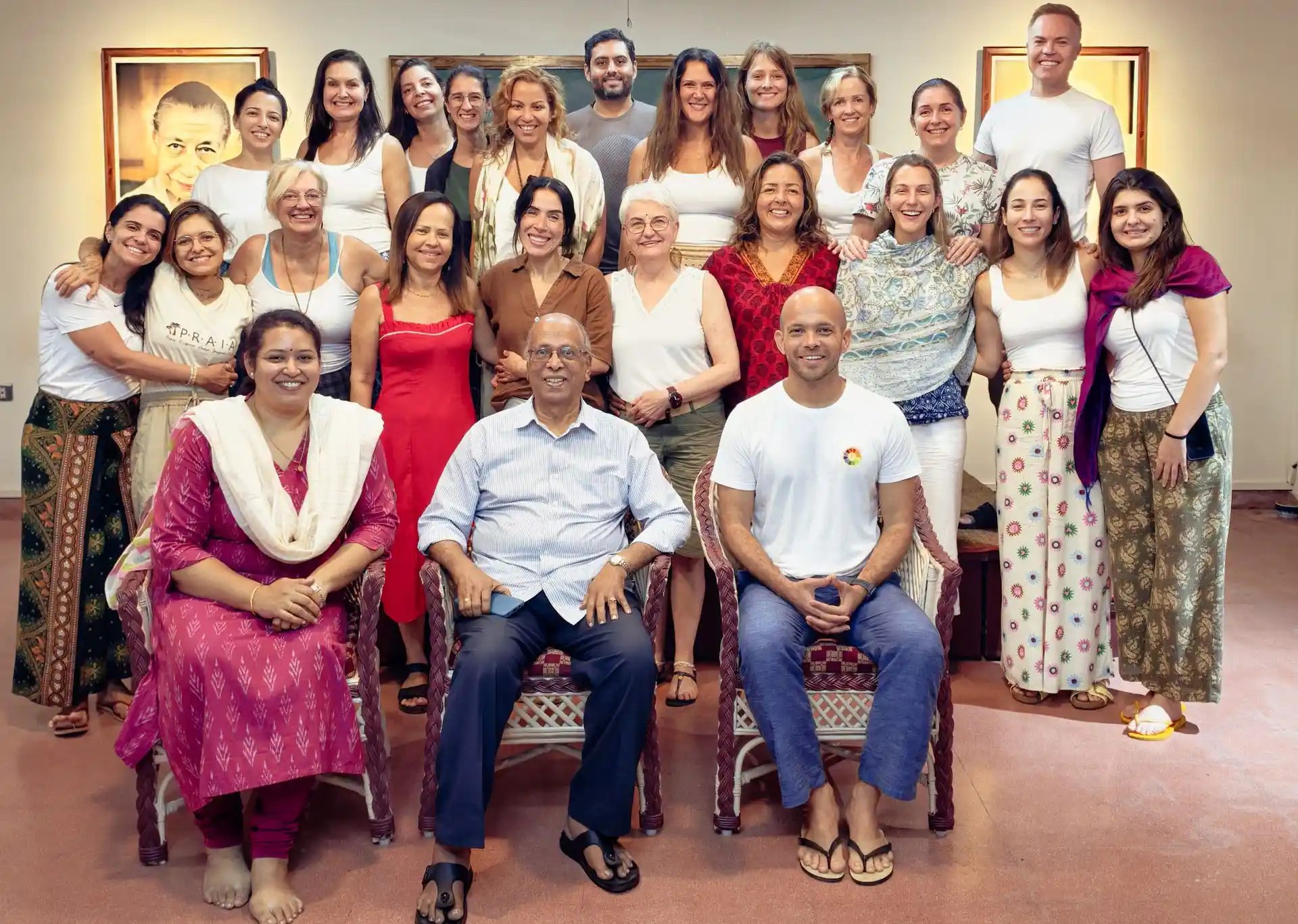
In 2025, SACAR marked its twenty-fifth anniversary — and a new connection formed. A supporter visited the center, introductions were made, and what followed became SACAR’s first substantial partnership with AVI USA.
“We are happy to see that slowly supporters are joining in to support researching Sri Aurobindo and his work. It is as important as any cause.” — Shruti, SACAR Coordinator
For decades, SACAR had been doing serious scholarly work with almost no external research funding — the kind that would allow them to bring in outside scholars and commission new work. They had trained researchers, developed the infrastructure, built the library, produced the secondary texts. But without reliable project funding, when someone came wanting to contribute research, the honest answer was often: we cannot pay you. That has now changed.
With AVI USA’s support, SACAR has launched the “Luminaries of India” project, commissioning scholars to study the contribution of significant figures through the lens of Sri Aurobindo and the Mother’s writings. Four scholars are currently at work. Two monographs have already been published — on Bankim Chandra Chattopadhyay and Leonardo da Vinci — as proof of concept for a research methodology drawn from Sri Aurobindo’s thought. A larger project, “Mankind on the March”, conceived originally by Dr. Reddy’s father and blessed by the Mother, remains the longer horizon.
Also in development are self-paced online courses, intended to launch by August and accessible to anyone with an interest in Sri Aurobindo’s work. The third batch of Nalanda University students is currently enrolled, with a new batch opening in August.
Why this partnership matters
AVI USA has historically focused its support on Auroville — the city-project, the community, the experiments in sustainable living and human unity happening north of Pondicherry. But Auroville was never the whole of the Mother’s vision. Sri Aurobindo’s scholarship — the serious study and living understanding of what he actually wrote — is the intellectual and spiritual foundation on which Auroville’s experiment rests. Organizations like SACAR are doing the work of keeping that foundation legible and transmitting it forward.
It is worth noting that this partnership came together at all. For years, SACAR had tried to build formal ties with Auroville directly — Dr. Reddy had given lectures at Savitri Bhavan for decades, an MOU was drafted and nearly signed — but circumstances never aligned. When AVI USA reached out instead, the response was one of genuine surprise. “We were like, we are not an Auroville unit — how is this possible?” Shruti recalls. “But then Dr. Reddy said it is the Mother’s grace, because at the end of it, all of us are doing the Mother’s work.”
That, in essence, is what SACAR has been doing for twenty-five years. AVI USA looks forward to continuing this work together.