
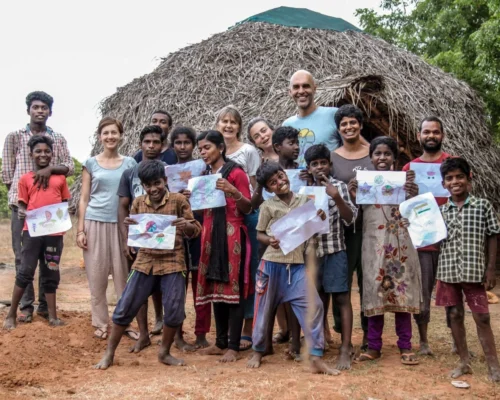
Thamarai: Twenty Years of Growing Together
What began as an initiative by a group of Aurovilian women to support and empower women in neighboring villages has developed into a community learning center rooted in education, leadership, and well-being.
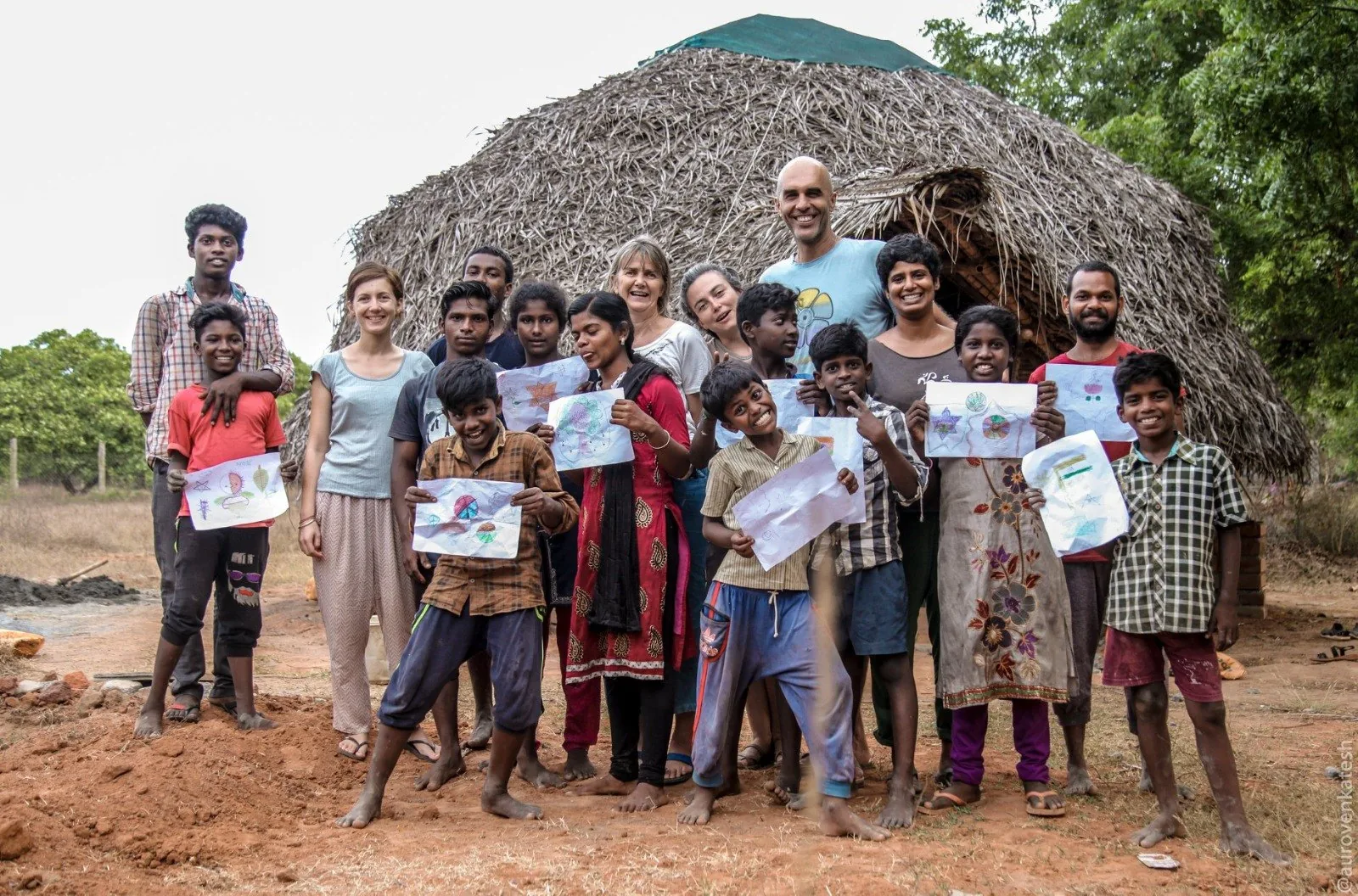
Twenty years ago, on November 12, 2006, a group of Aurovilian women set out to establish a center that would support and empower women in the neighboring villages. But when they began meeting with local women to understand their needs, the conversation took an unexpected direction.
Many mothers wanted to work but struggled to find support for their children. Some had received little formal education themselves and found it difficult to help with homework. They wanted a place where their children could learn, play, and explore new interests.
In response, the women began developing a learning center for children, while continuing to involve local women in shaping its programs and direction.
The initiative emerged through conversations among Kathy, one of its founders; Chitra, a woman from the local village, now an Auroville resident; Thulasi, a Montessori teacher; and Leslie, a filmmaker involved with Auroville Village Action. Bridget joined as the project took shape, bringing experience in community development in Rwanda and in Auroville’s response to the tsunami.
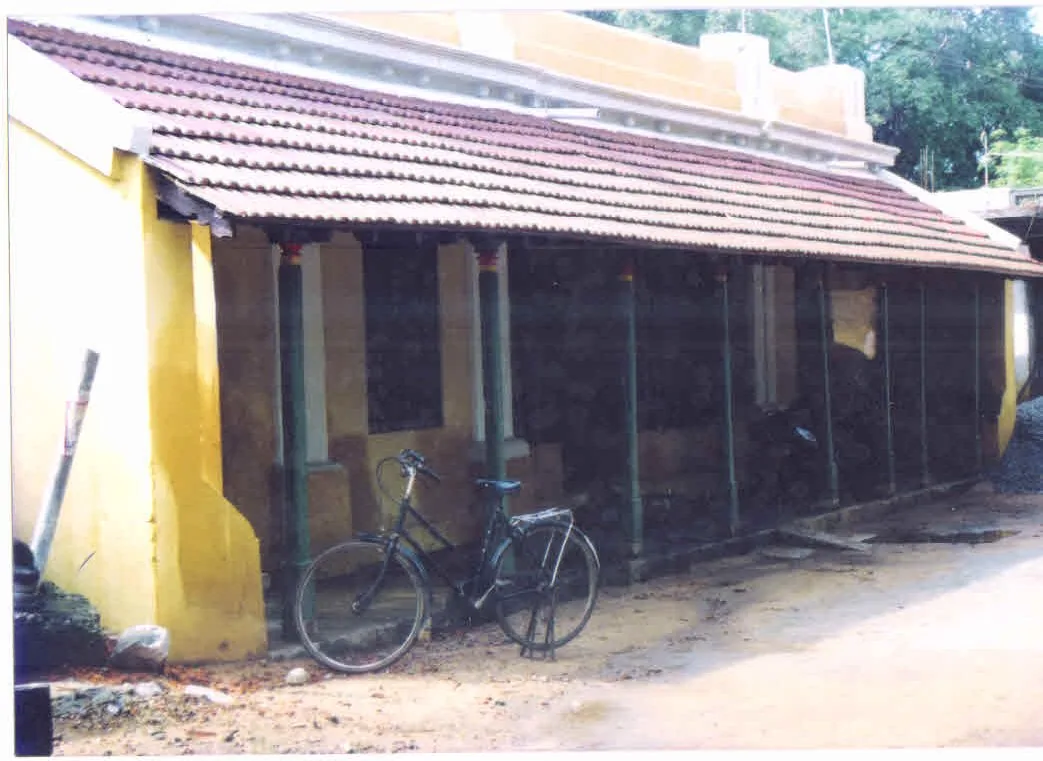
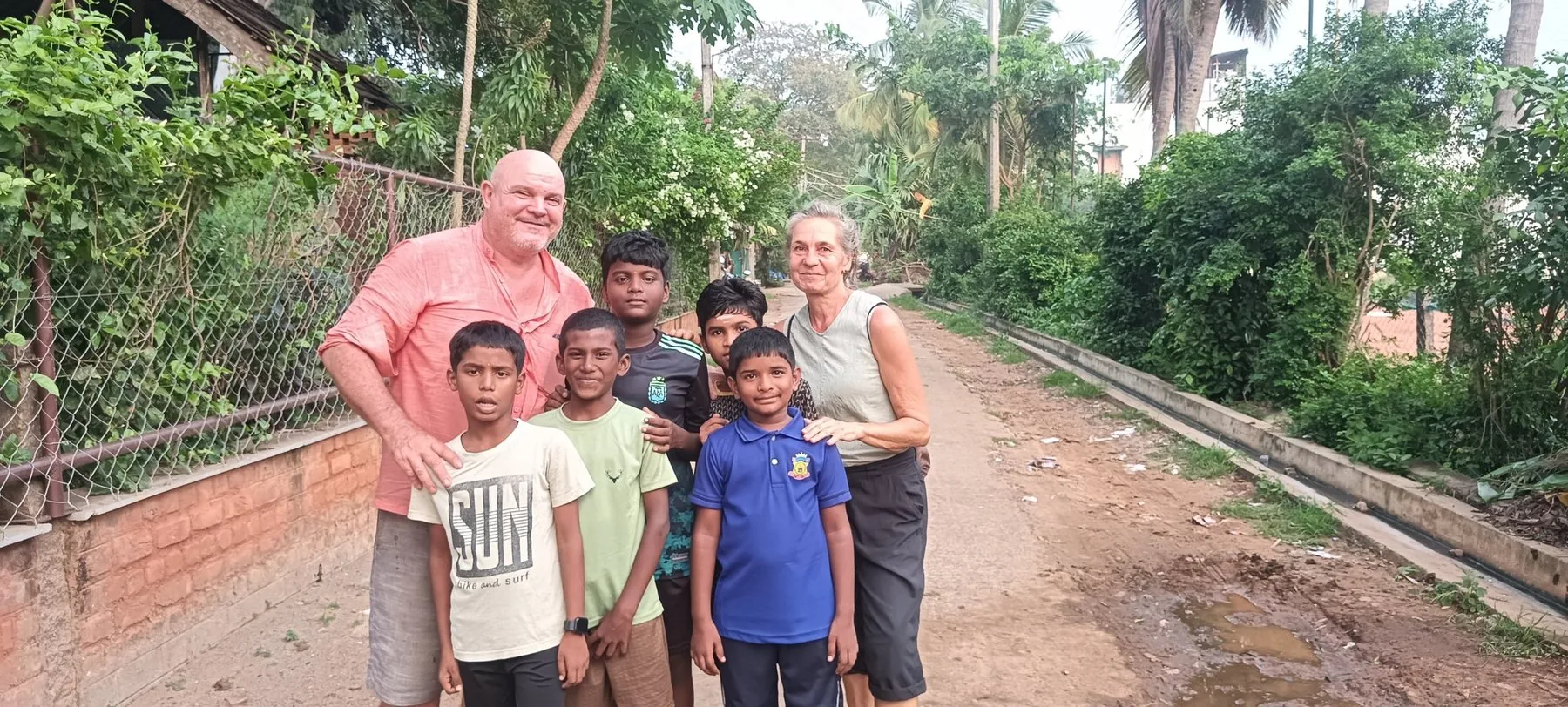
From the outset, the work brought together local women, village youth, and Auroville residents. Rather than importing an outside teaching model, the team drew on the skills and experience within the community, creating a shared process of learning and development.
Learning Beyond the Classroom
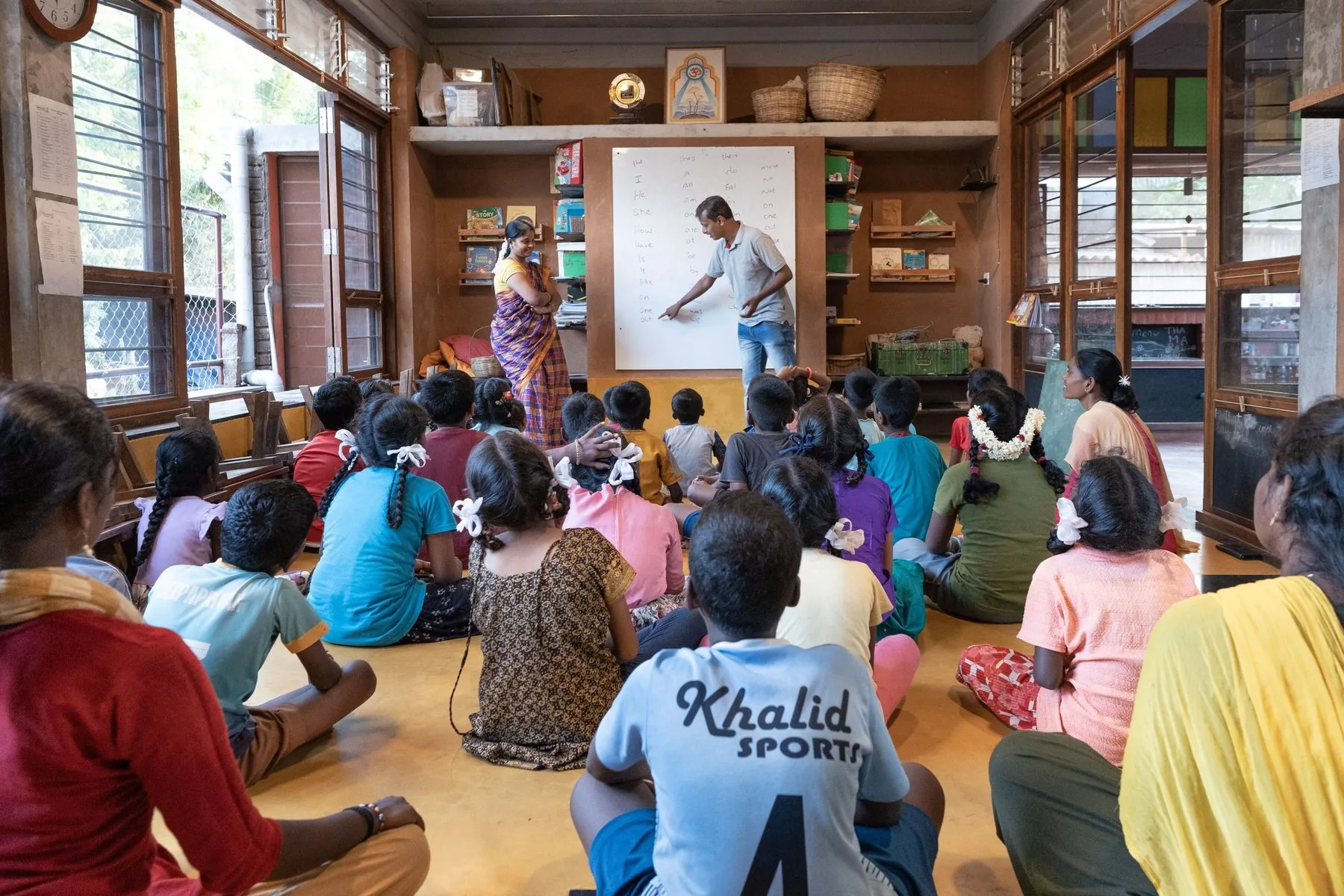
Homework assistance and literacy support provided the foundation for the early program, but the founders envisioned something broader than academic instruction. Art, music, dance, sports, environmental activities, and creative projects soon became part of the center’s offerings, often with the involvement of individuals and groups from across Auroville.
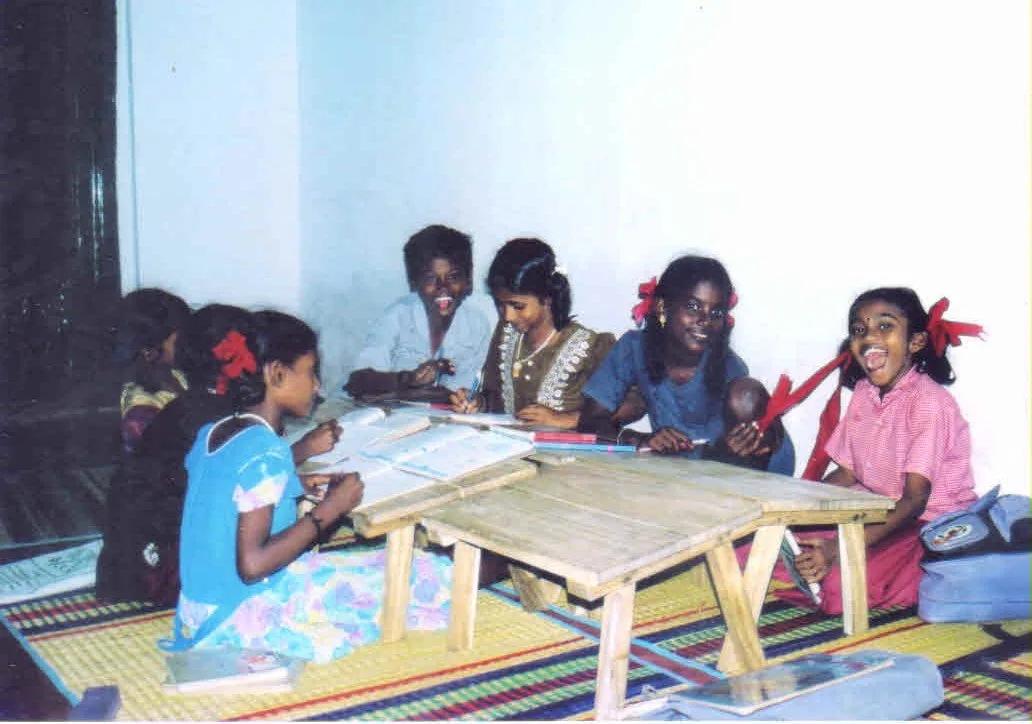
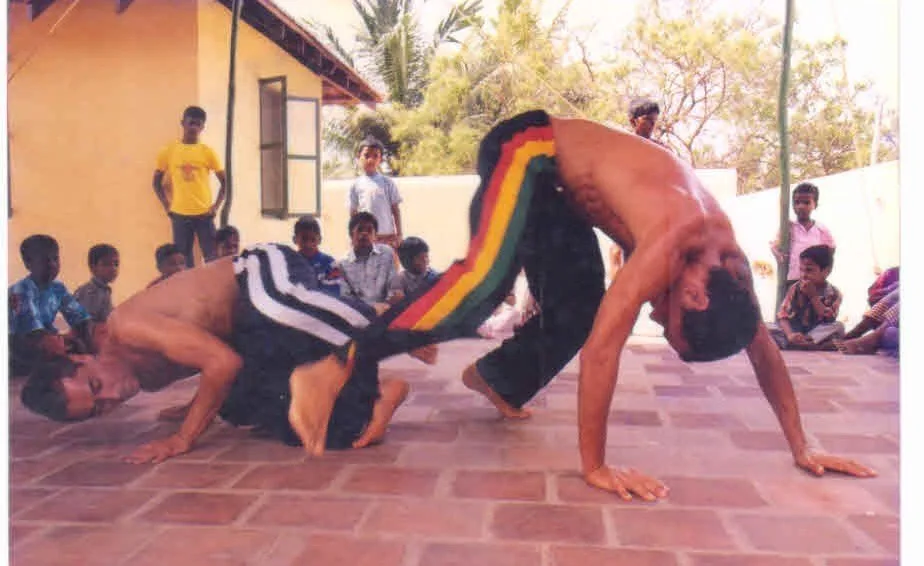
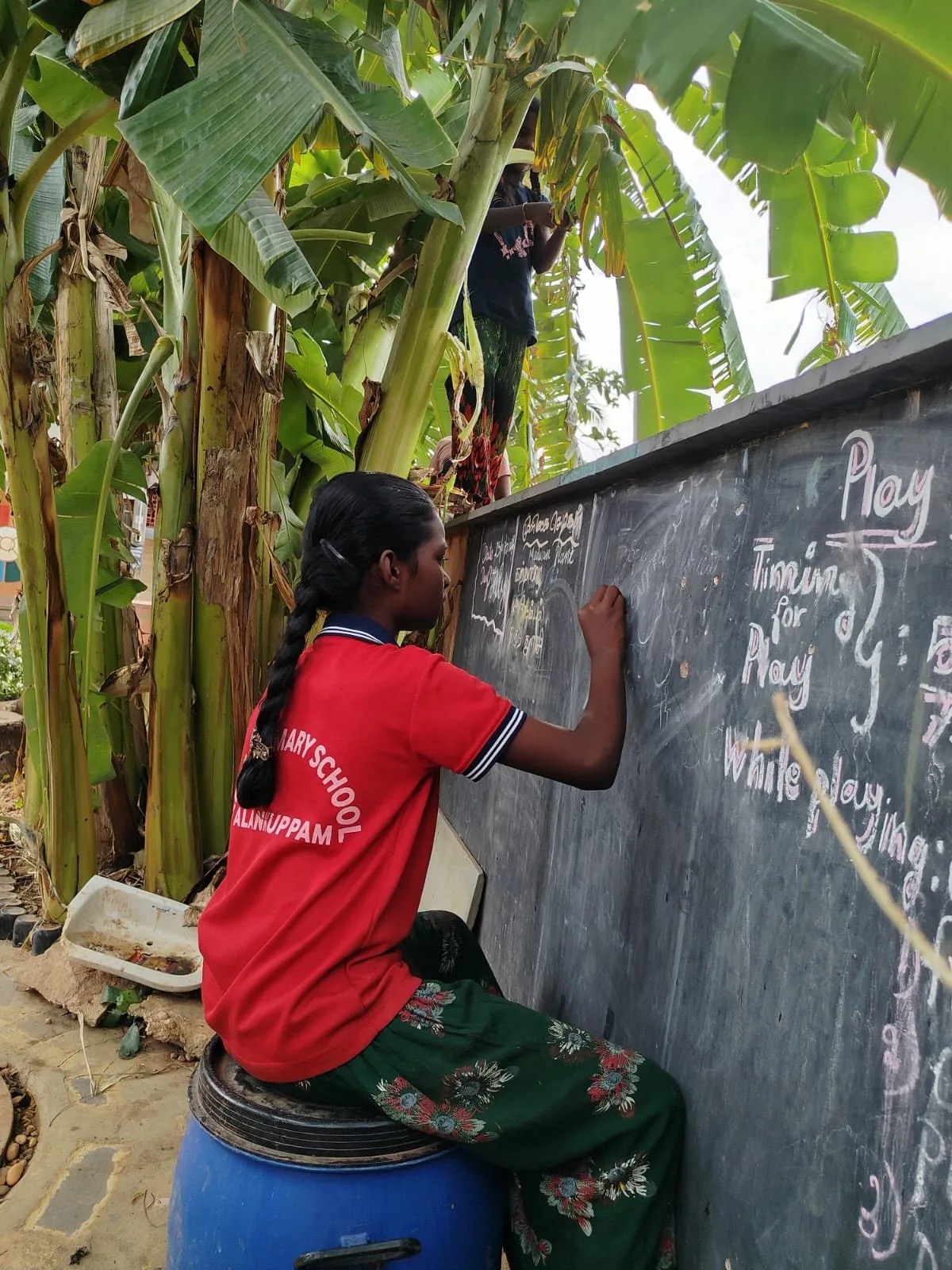
Today, Thamarai’s Learning Center is open seven days a week and has 100 registered students from eight villages. Weekday activities take place after school, while weekends and holiday camps offer a wider range of experiences, including gardening, cooking, crafts, STEM and electronics, yoga, sports, and sound baths.
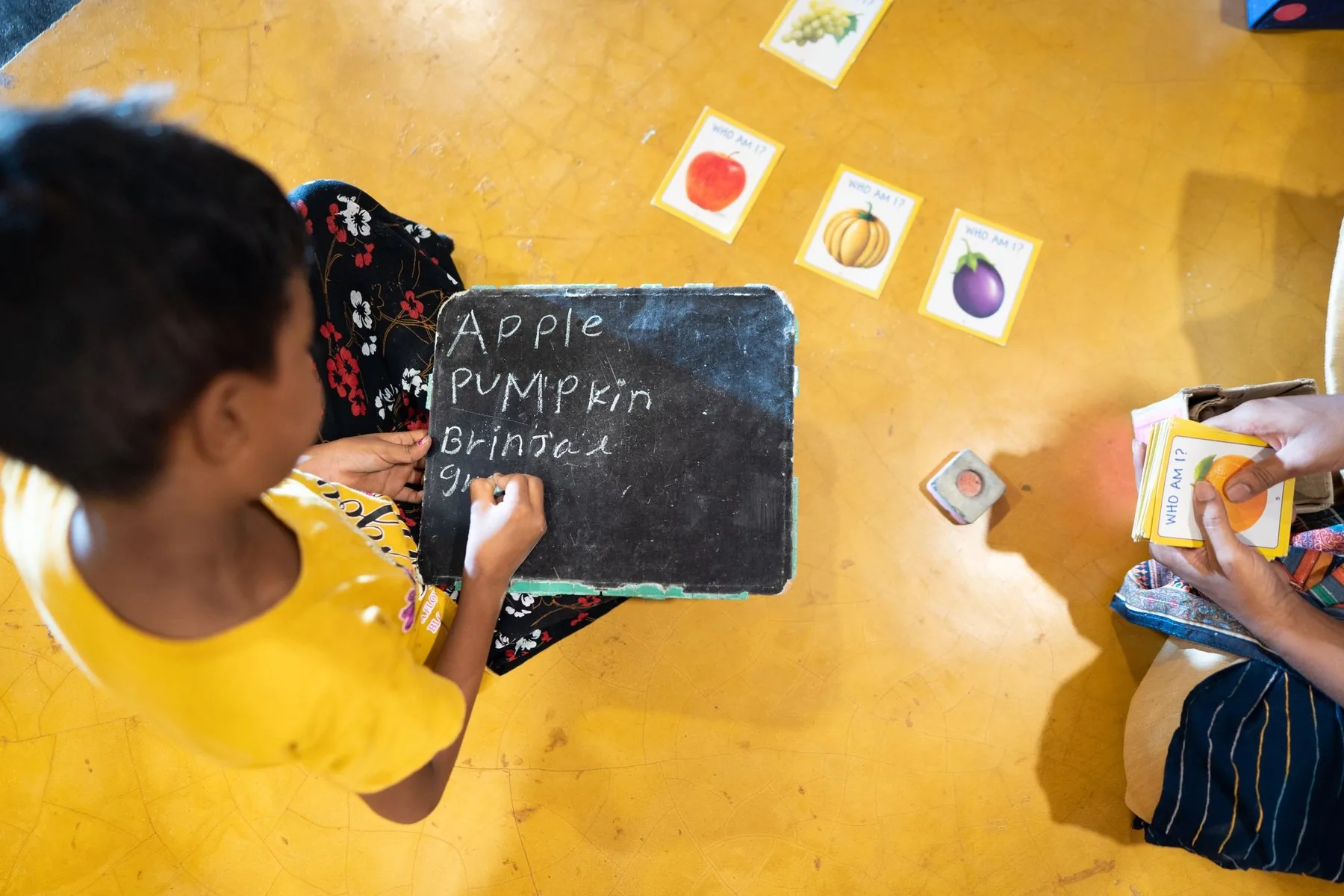
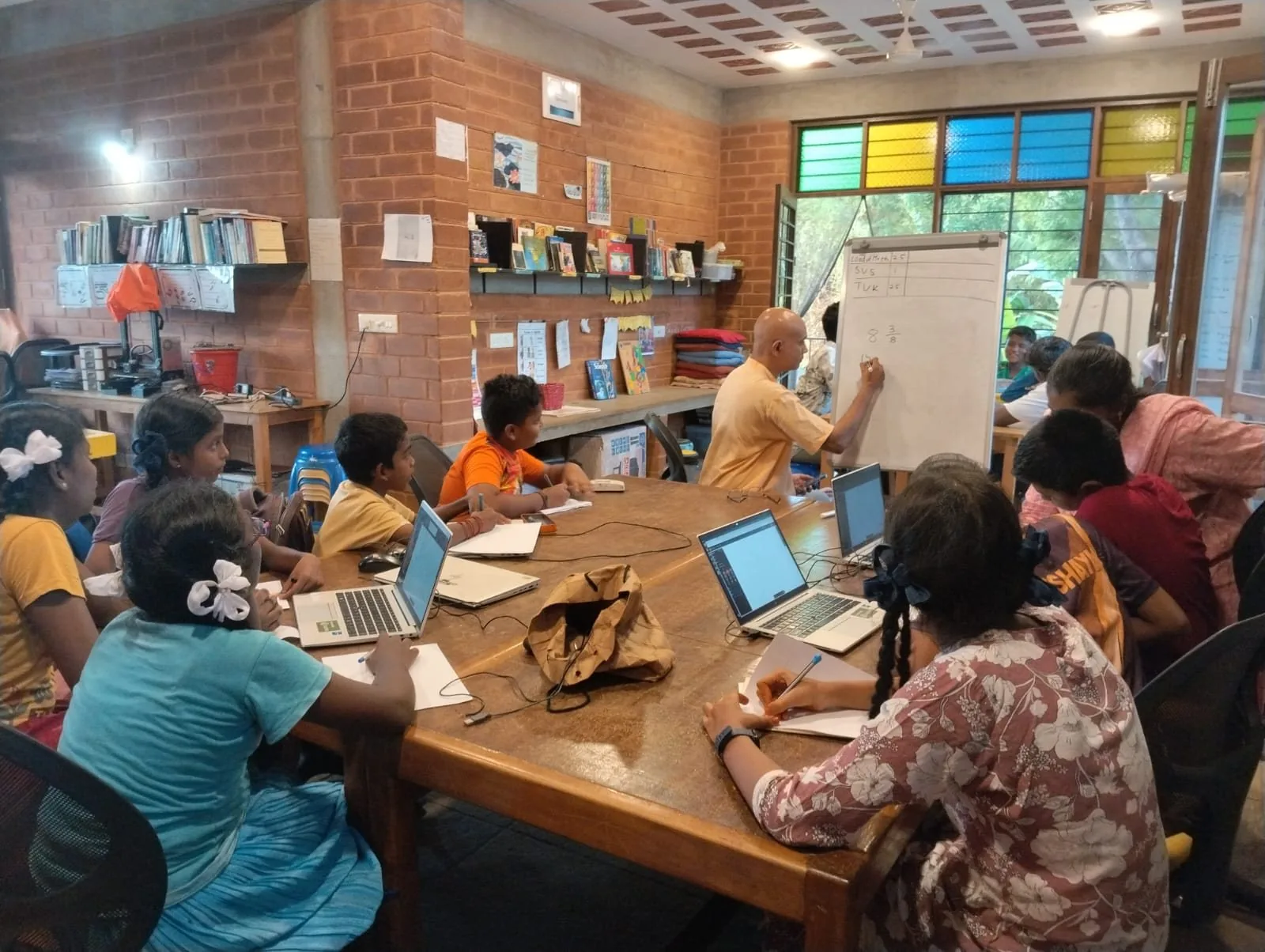
The program brings academic support together with practical and creative learning. Children have opportunities to encounter unfamiliar subjects, develop their interests, and build confidence through exploration and participation.
Growing into Leadership
The possibility that young people would eventually take responsibility for the center was part of its vision from the early years. Today, former students are contributing their own knowledge and experience to its development, helping shape the environment for the next generation.
Bridget hopes to reconnect with more former students and document the different paths they have taken. Some have continued into higher education and professional careers; others have established businesses or pursued interests first discovered at Thamarai. Their experiences offer a wider perspective on what twenty years of sustained educational and community support can make possible.
Putting Equity into Practice
As Thamarai developed, its understanding of education and community work became increasingly attentive to the social conditions that shape individual opportunity. A significant influence was the team’s engagement with Radical Transformational Leadership (RTL), a framework developed by Monica Sharma.
The training encouraged the team to look beyond individual skills and consider the social norms and structures that determine who has access to opportunities and whose participation is valued. Questions of caste, gender, and inclusion became integral to the way Thamarai designed its programs and organized its daily life.
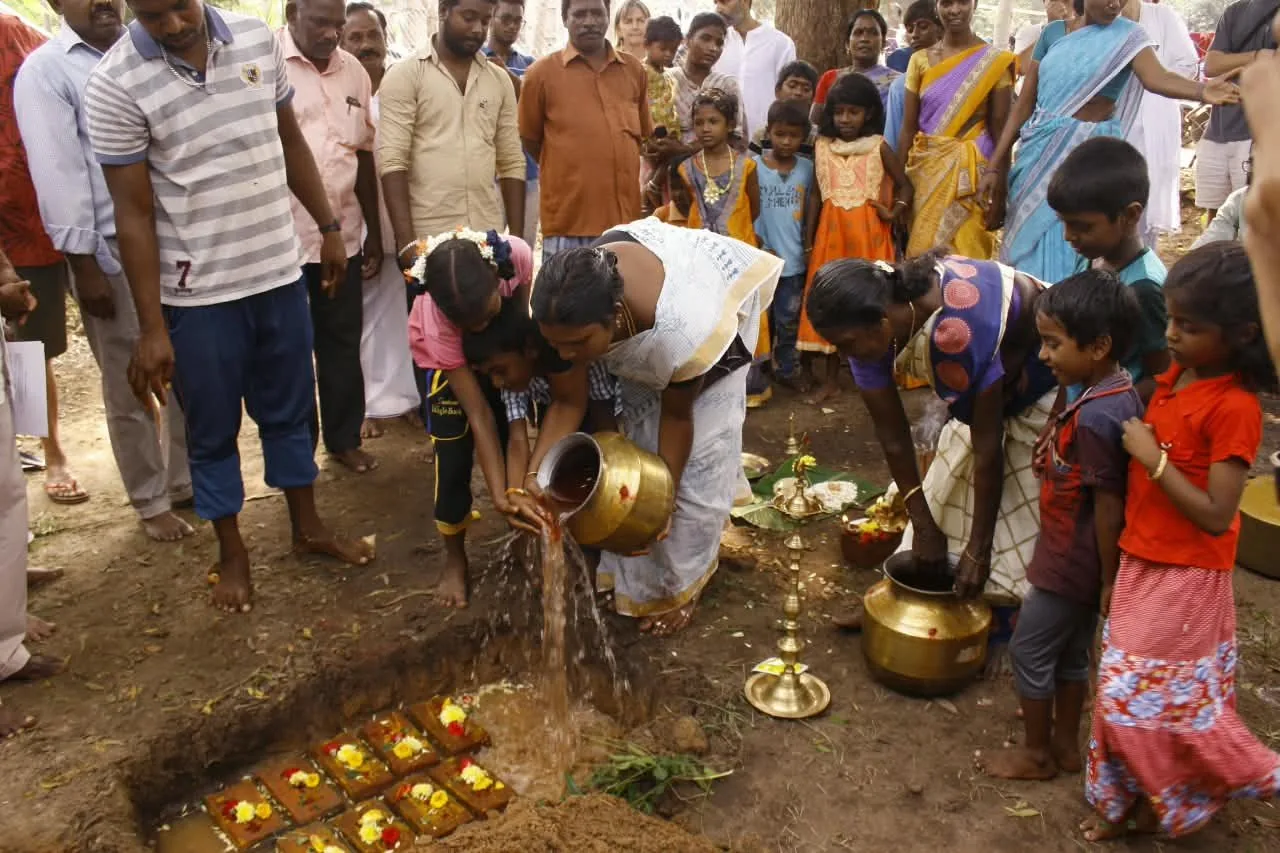
The team chose to establish its permanent center in the Dalit section of the village, an area whose residents have historically experienced marginalization and stigma. The center welcomes children from all communities, including neighboring villages, creating opportunities for young people to meet and learn together across social boundaries.
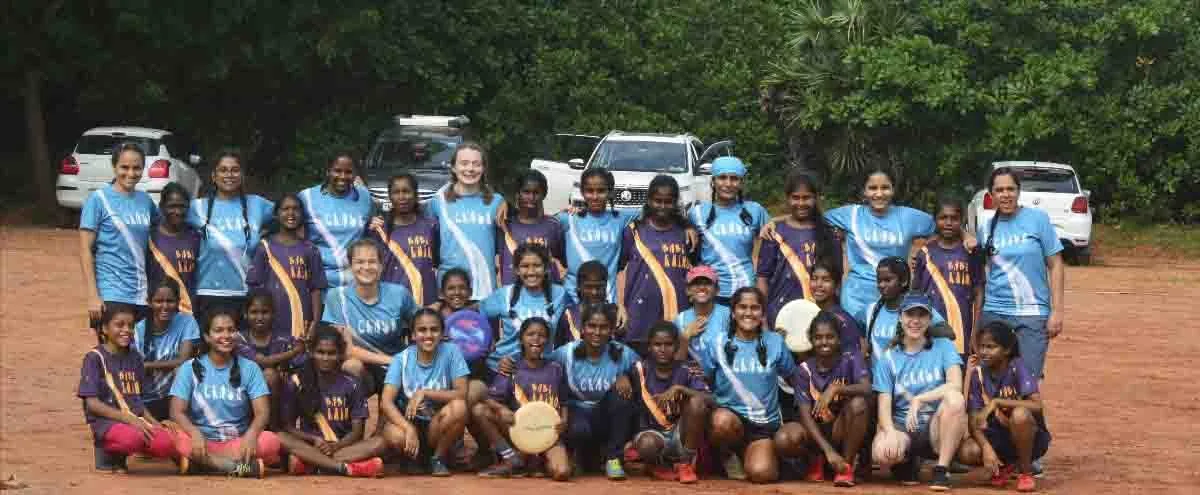
Making sports more accessible to girls became one practical expression of this commitment. When the sports ground first opened, it was used predominantly by boys. To broaden participation, the team introduced Ultimate Frisbee and invited Selvie and Gothai, two women from the village who had grown up in Auroville and gone on to play for the national team, to introduce the sport.
Their presence helped shift perceptions of what girls could do. Those who had initially been hesitant began playing alongside boys, gaining confidence and greater freedom of movement. The team also began conversations with parents about the household responsibilities that often limit girls’ participation, while encouraging boys to share those responsibilities.
The same principles extend into the center’s everyday routines. Everyone participates in maintaining the space, including cleaning the toilets. Boys and men take part as well, challenging assumptions that this work belongs exclusively to women or to people from particular caste backgrounds.
Caring for People and Place
Today, Thamarai’s work encompasses three closely connected areas: education, leadership, and health and well-being.
Through its partnership with PIMS Hospital, the center organizes medical camps and health assessments, including support for local children with neurodivergent needs. It also works with families affected by addiction and domestic difficulties, offering awareness programs and connections to counseling and rehabilitation services where possible.
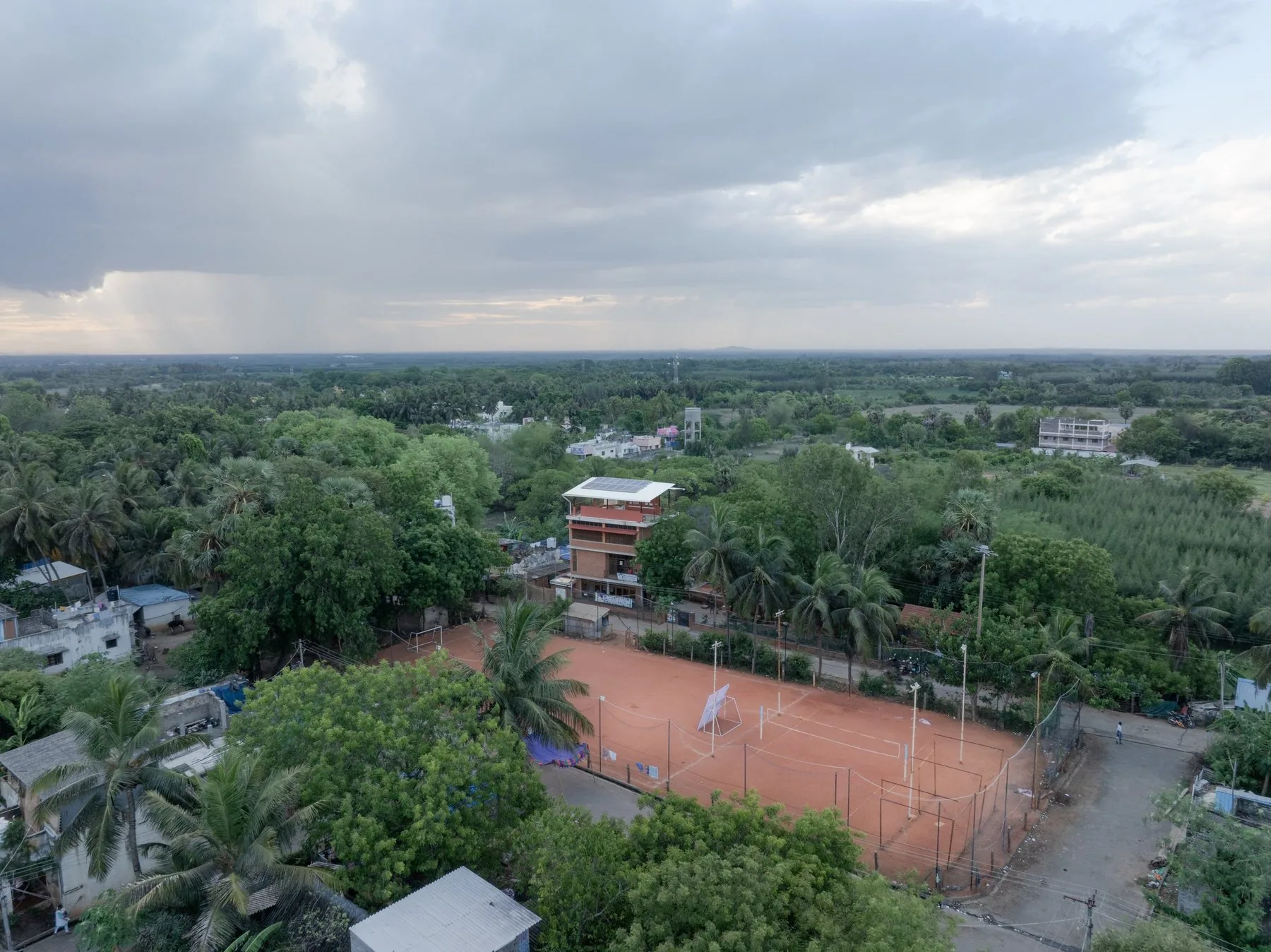
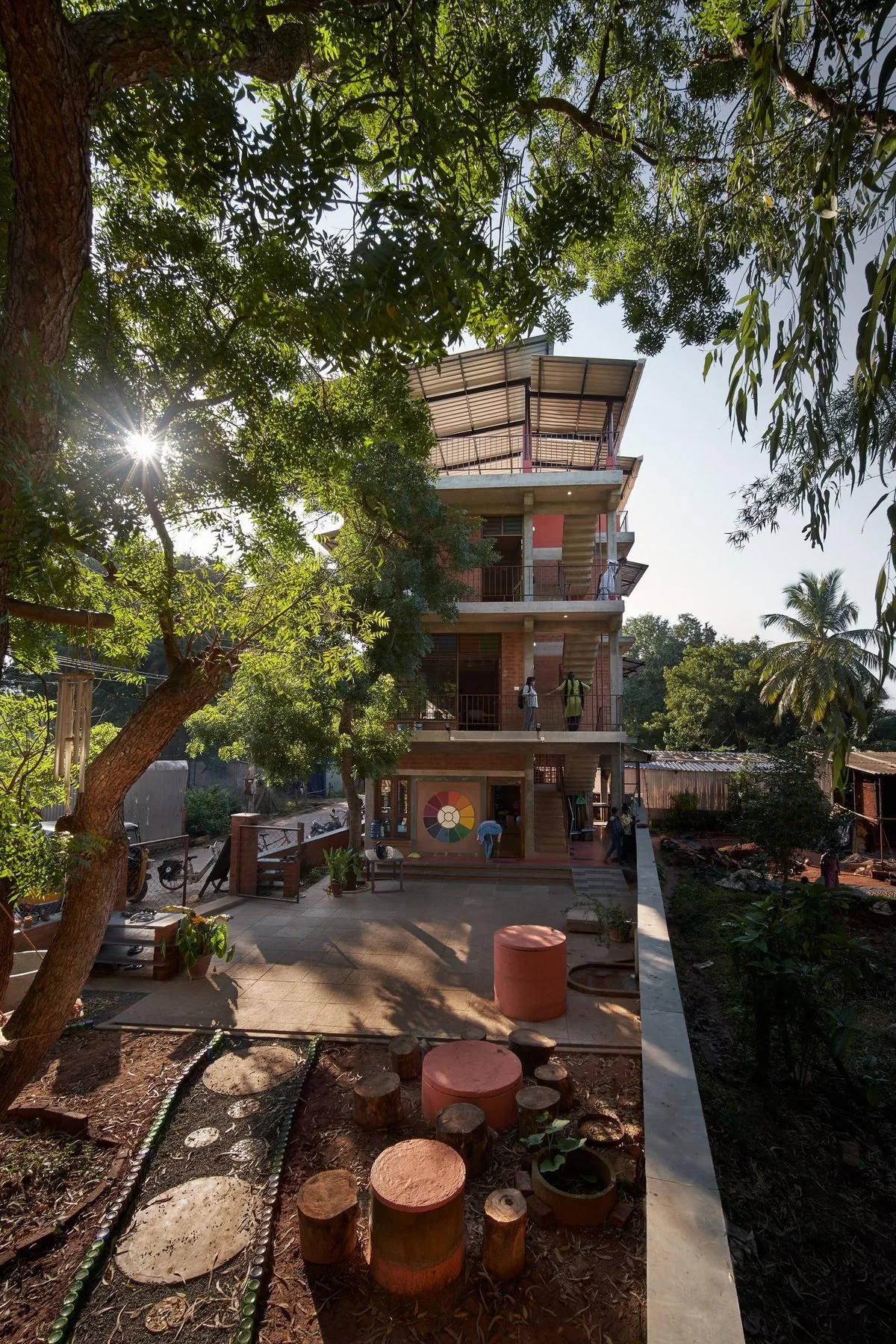
The center’s physical infrastructure reflects a similar attention to local conditions. Water is scarce in the village, where supplies are available for only limited periods each day. Thamarai has installed EcoSan composting toilets to reduce water consumption and developed a rainwater harvesting system that directs runoff from the roof into storage and the garden.
For construction, the team selected compressed earth blocks, which require less cement and water than conventional bricks. The decision also reflected concerns about the labor conditions associated with brick production in Tamil Nadu, including the exploitation of children and bonded workers.
Looking Ahead
Building Thamarai has required persistence as well as a willingness to adapt. The early years involved considerable improvisation, while establishing a permanent center brought substantial financial responsibilities. Support from foundations, local residents, individual donors, and community fundraising helped make the project possible. The team has also encountered resistance, particularly when youth-led initiatives challenged established social expectations.
Twenty years on, Thamarai is beginning to look beyond its own center. Several team members are undertaking RTL practitioner-coach training, and the project hopes to share its experience in education, equity, and leadership with young people in other villages, supporting them in developing initiatives of their own.
At the same time, the team is working toward a more stable organizational structure in which former students can assume increasing responsibility for the center’s leadership and future.
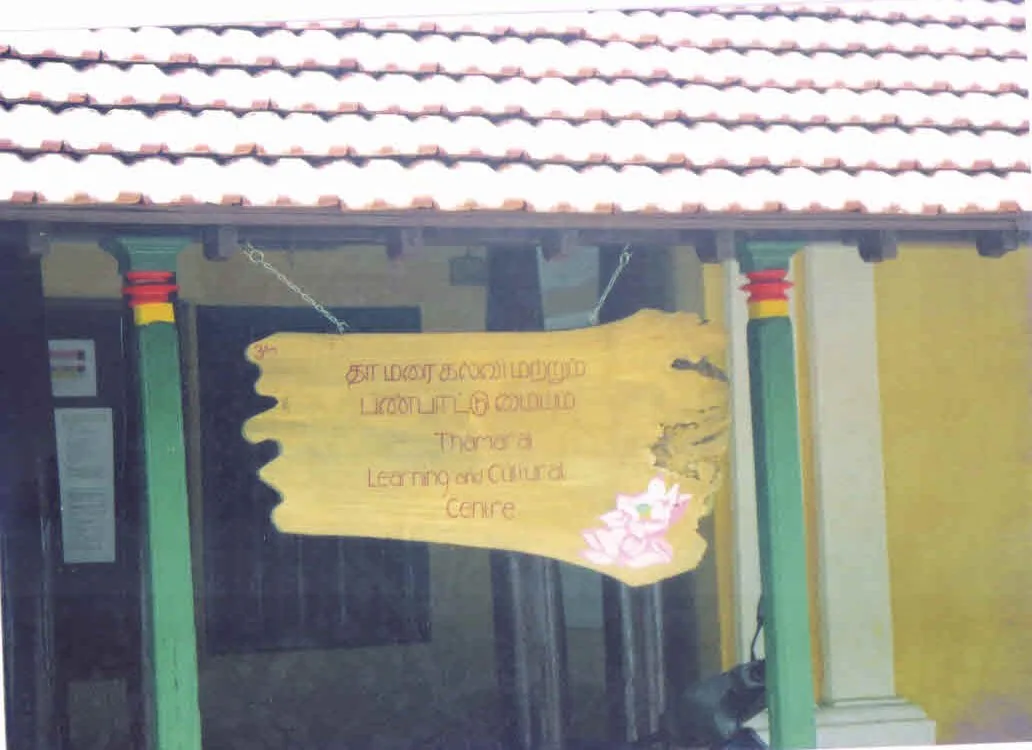
Thamarai means lotus flower. Its founding vision was that everyone should have the opportunity to flower to their full potential. Two decades later, that aspiration is reflected in the children who come to learn, the former students who have returned as facilitators, and the community that continues to shape the center.
Why Thamarai Matters
Watch Bridget, who has been with Thamarai since its early days, speak about the importance of its work.

What began with a group of women listening to the needs of their neighbors has grown into a project increasingly led by the very young people it set out to support.
In Their Own Words

Anandhi, one of Thamarai’s local education facilitators, has stopped three child marriages and instead negotiated for the girls to go to college.
I was struggling with career guidance, disappointment, self-doubt and anxiety, but everything changed when I went to Thamarai. I started volunteering, and that was the turning point in my life.
The impact of Thamarai on my life has been huge. I had no idea of what I wanted to do in life. Thamarai has given me a road map and has given me a lot of skills. I left Thamarai to set up a restaurant and e-commerce business.
I had more questions in my life. After I joined Thamarai I found clarity and answers. Now I find I can think in multiple perspectives.
When I have a difficulty in life, I remember me as a child in Thamarai and what I learned in Thamarai: to do things differently and to handle things with joy and fun. Thamarai helps the child to choose the right path of where they want to go, and for adults to get guidance on how they want to grow.
I come from a very small village and a huge family. I was very shy. I got a chance to go to Germany as an international volunteer for 1.5 years through Thamarai. I learned a lot about myself, what I can do. It built my confidence.
Thamarai has impacted my life to become a strong leader building mixed-gender sports and helping others to become good leaders. It has changed many stereotypes and built strong communications in children and in parents.
Thamarai impacted my life to make a decision in a personal and critical situation in a positive way. I can share any health or professional issues with colleagues to get better solutions. Thamarai creates an impact for students to get a better personal life, and for youth to choose better professions and lead their lives.
Your gift helps Thamarai keep its learning center open seven days a week for children from eight villages. Gifts through AVI USA are tax-deductible in the US.
Give Now